

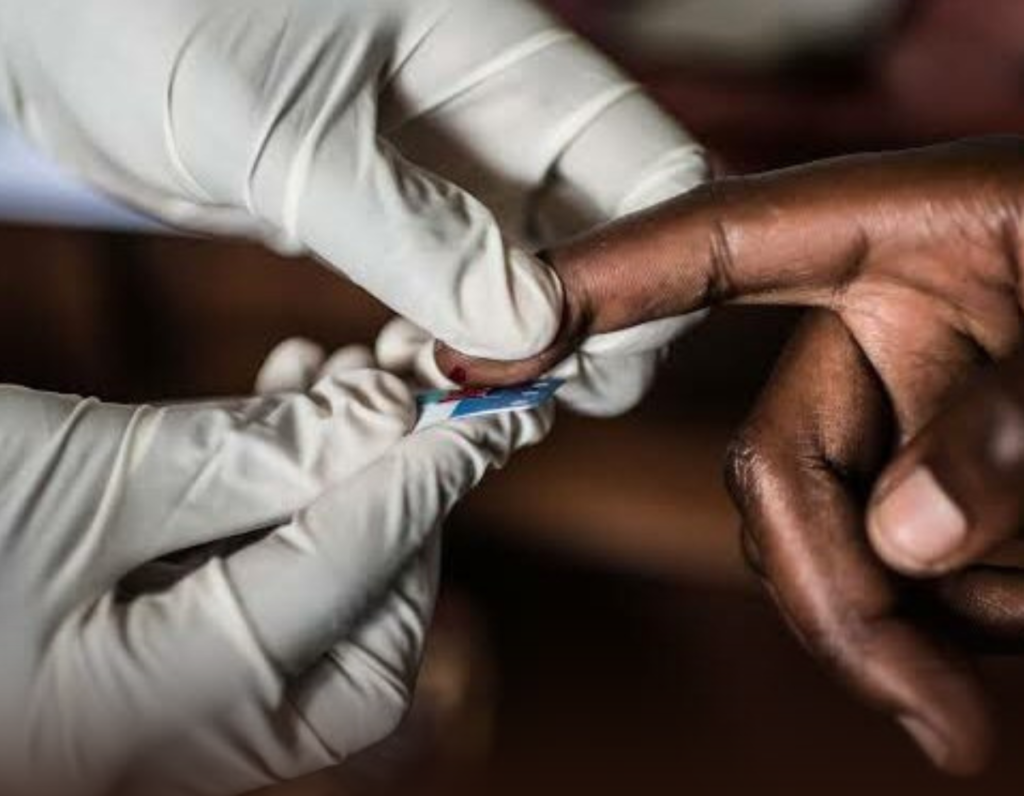
A growing wave of China-Africa health cooperation is underway in Uganda. On December 1, 2025, World AIDS Day, China Railway Construction Engineering Group Co. Ltd. (CRCEG) spearheaded a major HIV/AIDS prevention initiative for its staff and the surrounding community in Kampala. Through a partnership with The AIDS Support Organization (TASO), the firm offered free HIV counseling, testing, and distributed oral testing kits – a move underlining the company’s commitment to employee welfare and community health.
CRCEG’s general manager, Liu Qiang, said the campaign aims to “strengthen the health protection barrier” for employees and locals. The event included comprehensive health-education sessions on HIV transmission, prevention, and treatment with voluntary testing made available to all participants.
It comes at a pivotal moment: according to the most recent data from the Uganda AIDS Commission, HIV prevalence in Uganda has fallen to 4.9%, down significantly from its historical peak, and the country reports high treatment and viral-suppression rates under its 95-95-95 strategy.
This isn’t CRCEG’s first strike into public-health intervention, it builds on decades of Chinese engagement in Uganda’s medical landscape. Chinese medical teams have operated in Uganda since the early 1980s, providing free surgeries, clinics, and outreach services across urban and rural areas. The Naguru‑China Uganda Friendship Hospital – a joint infrastructure gift, remains a centerpiece of bilateral medical cooperation, offering advanced healthcare services to thousands.
Earlier in 2025, Chinese medical teams held free-care camps in remote districts such as Kikuube, treating hundreds and sharing expertise with local health staff, a model echoing today’s campaign.
As the fight against HIV/AIDS and other infectious diseases continues, partnerships like this, between private sector, civil society, and international supporters could play an increasingly decisive role.