

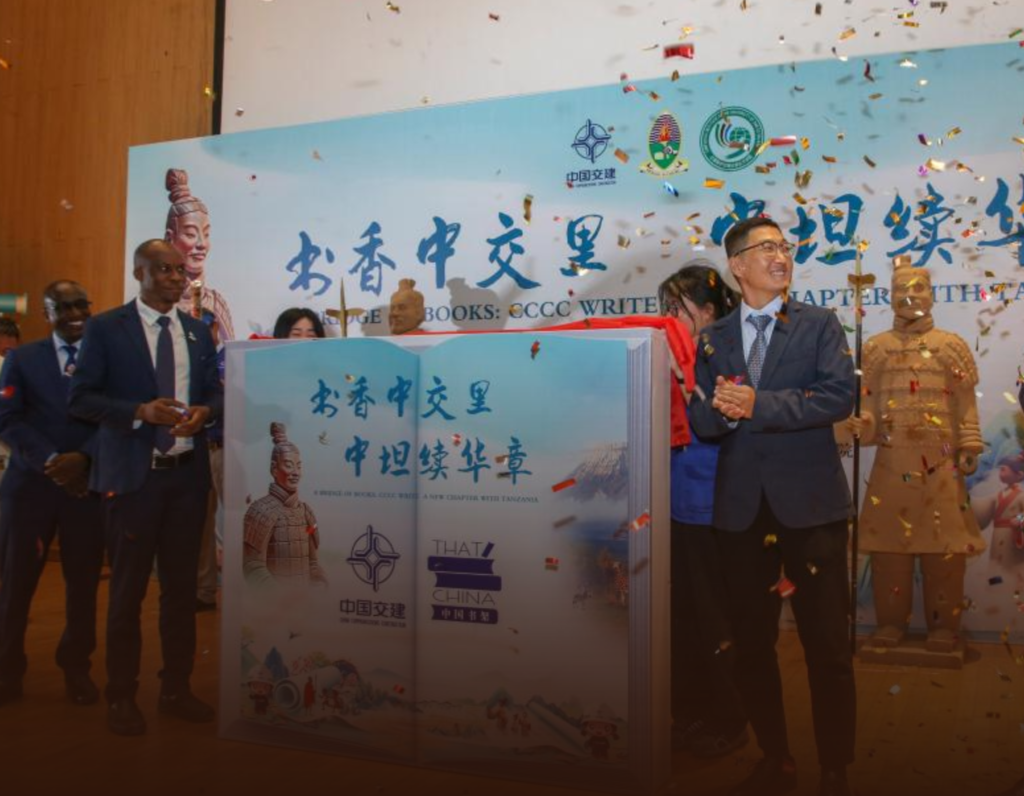
A notable contribution to academic development was made this week as a Chinese company gifted 300 books to the University of Dar es Salaam’s Main Library, reinforcing educational ties between China and Tanzania. The donation, handed over in a ceremony at the university, reflects ongoing cooperation in human resource development and knowledge exchange between the two countries.
The books cover a range of subjects including engineering, economics, public policy, and Chinese language and culture – areas that align with both Tanzania’s development agenda and the growing interest among students in deeper engagement with China’s experience. University officials welcomed the donation as a timely boost to their collection, noting that access to high-quality academic literature is key to teaching, research, and preparing students for global careers.
During the handover, representatives from the Chinese donor emphasised that the contribution was part of a broader commitment to support education and people-to-people exchanges across Africa. They highlighted the importance of equipping young scholars with diverse perspectives and resources to excel in competitive academic and professional environments.
This initiative is part of a longer history of China- Tanzania cooperation in education and capacity building. For example, in recent years China has provided scholarships to Tanzanian students to study in Chinese universities, helping expand opportunities in science, technology, and business. In 2025, Tanzania began a nationwide programme to train local Chinese-language teachers, an effort designed to broaden Mandarin instruction and cultural fluency in schools.
University leaders also pointed to other forms of collaboration. Chinese technical teams have worked with Tanzanian counterparts in fields like infrastructure planning, agricultural innovation, and vocational education, under initiatives supported by both governments and regional institutions. These efforts help reinforce Tanzania’s industrialisation and skills development goals outlined in its Vision 2025 framework.
Beyond bilateral cooperation, the book donation reflects broader trends in educational cooperation across Africa. In Kenya, China-sponsored forums on smart education and telemedicine have brought educators and health professionals together to share expertise. In Ghana, Chinese-supported scholarship programmes continue to expand academic horizons for young leaders. These initiatives collectively demonstrate how knowledge and cultural exchange are central to sustainable partnership.
This gesture stands as a tangible reminder of how international partnerships can contribute to strengthening academic infrastructure, fostering intellectual curiosity, and building bridges between nations through education.