

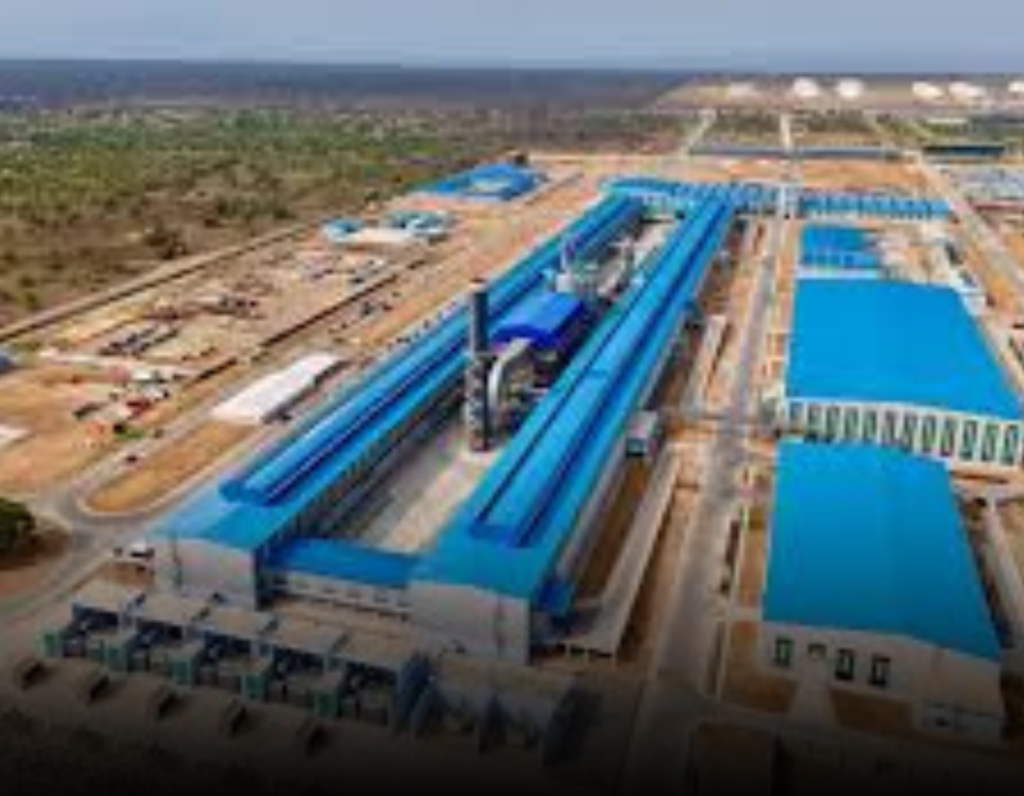
In a landmark moment for industrial cooperation between China and Angola, the first phase of a major Chinese-invested electrolytic aluminium plant was inaugurated this week in the Barra do Dande Free Trade Zone, Bengo Province. The facility, backed by a consortium led by Hebei Huatong Wire and Cables Group, marks a significant step in Angola’s long-term strategy to broaden its economy beyond oil and unlock industrial potential.
President João Lourenço presided over the opening ceremony, underscoring the project’s role in boosting regional industrialisation and job creation. The first stage involves a US $250 million investment that is expected to produce 120,000 tonnes of electrolytic aluminium annually and create roughly 1,200 jobs. Leaders say the plant will also serve as a catalyst for skills development, with technical training programmes and internships designed to empower Angolan workers and build a stronger industrial workforce.
This inauguration is only the first phase of a planned five-stage development that could see total investments of up to US $1.6 billion over the next eight to ten years. As it expands, the facilities are expected to increase capacity and diversify Angola’s output into aluminium alloys, sheets, rods and other downstream products, enhancing local value addition and export potential.
The aluminium plant is not an isolated investment but part of a broader agenda of economic cooperation between China and Angola. Over decades, the two countries have built a deep and multifaceted partnership. Formal diplomatic relations date back to 1984, and since then trade, investment and infrastructure ties have expanded dramatically.
Bilateral trade has remained robust, with figures reaching approximately US $24 billion in 2024, and accumulated Chinese investment exceeding US $27 billion, including a growing share directed into non-oil sectors such as manufacturing, construction, agriculture and services.
China’s role in Angola stretches across infrastructure and industrial projects that have shaped the country’s post-conflict development. Chinese firms have been instrumental in major constructions, from highways and railways to social housing and power plants, including ongoing work on national infrastructure such as the Benguela railway and new airports.
Angola and China also strengthened their relationship in recent years with the signing of an investment protection agreement in 2023 and a zero-tariff arrangement covering most Angolan exports to the Chinese market, reflecting mutual efforts to expand trade and business linkages.
Political cooperation has evolved as well. High-level talks between leaders of both countries have reiterated support for each other’s development goals, including Angola’s pursuit of national sovereignty and economic modernisation, and China’s commitment to South-South cooperation.
The aluminium plant in Angola mirrors broader global trends where countries seek to reduce reliance on raw commodity exports. As Angola works to shift away from oil dependency, a challenge highlighted by recent moves to diversify into minerals like copper through projects such as the Tetelo mine, where Chinese firms also play a role, such industrial ventures take on added strategic weight.
This industrial pivot occurs against the backdrop of heightened international interest in Africa’s economic landscape. Projects like the Lobito Corridor, backed by Western initiatives, aim to connect Angola’s transport networks with regional mineral hubs and foster supply chain diversification – reflecting a more competitive environment for infrastructure and industrial investments.
The inauguration of the electrolytic aluminium plant represents a milestone in China-Angola cooperation, aligning economic diversification with deeper bilateral ties. For Angola, it signals progress toward transforming its economic base and creating opportunities beyond oil. For China, the project embodies a long-standing strategy of mutual development, investment, and industrial cooperation in Africa.