

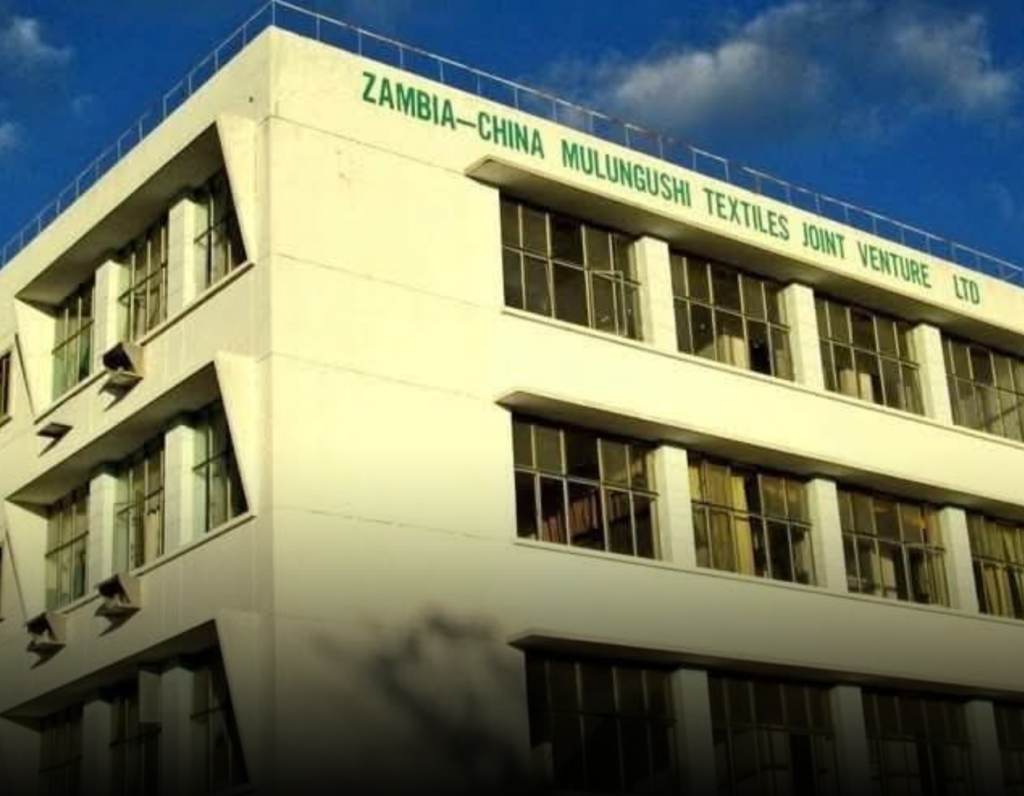
A historic moment is unfolding in Zambia’s industrial landscape as the China-Zambia Mulungushi Textile joint venture begins test operations ahead of its full reopening later in 2026, marking a significant milestone in the revitalisation of one of the country’s most iconic manufacturing enterprises. The development is the fruit of sustained cooperation between Zambia and its long-standing partner China, and promises to reshape local industry, jobs and cotton value chains.
Located in Kabwe, the Mulungushi Textiles plant, originally established in 1978 with Chinese support – was one of Zambia’s largest textile manufacturers before halting operations in 2007 after years of decline. Following a revitalisation plan anchored in a US$140 million rehabilitation effort, the facility has installed new machinery and equipment, enabling test runs to commence as part of preparations for full commissioning later this year.
Everness Nankala, Principal Public Relations Officer at Zambia’s Ministry of Commerce, Trade and Industry, confirmed that members of the public will soon have the opportunity to observe these test runs firsthand, ahead of a formal opening ceremony expected later in 2026. Authorities emphasise the plant’s reopening as a critical step toward boosting industrial output, reducing import dependence, and promoting inclusive economic growth.
Once fully operational, Mulungushi Textiles is expected to create more than 500 direct jobs, strengthen the cotton out-grower system, and inject new life into Zambia’s textile sector – a sector that, historically, also supported downstream value addition and regional exports.
The resurgence of Mulungushi Textiles is more than an isolated business turnaround, it reflects the deeper economic and strategic cooperation between Zambia and China. The decision to redevelop the facility was first affirmed during Zambian President Hakainde Hichilema’s state visit to China in September 2023, at which both governments agreed to establish a comprehensive strategic cooperative partnership encompassing industry, trade and infrastructure development.
Zambia’s industrial renewal underlines broader bilateral ties that extend well beyond textiles. China’s involvement in Zambia includes investment and technical support across sectors such as mining, energy and infrastructure. For example, Chinese enterprises are major partners in hydropower projects like the Kafue Gorge Lower Power Station, and have backed expansions at Kenneth Kaunda International Airport, both of which contribute to national productivity and export competitiveness.
Moreover, authorities in Lusaka have discussed larger transport and logistics collaborations with Chinese partners, including initiatives to upgrade the Tanzania-Zambia Railway (TAZARA) – a vital export artery linking Zambia’s landlocked economy to Tanzanian ports. As part of this cooperation, China Civil Engineering Construction Corporation has been in talks to infuse significant capital into TAZARA’s revitalisation, underscoring how bilateral engagement continues to evolve from infrastructure provisioning to long-term, integrated economic platforms.
The revival of Mulungushi Textiles is also poised to create ripple effects across the cotton value chain. Zambia’s cotton farming communities, particularly in Central Province, stand to benefit from stronger market links; as the plant’s operations provide a stable outlet for local cotton producers, potentially strengthening incomes and rural livelihoods. Analysts view this as a critical counterbalance to past challenges in the textile sector, which once struggled with outdated machinery and weak value addition.
The plant’s reopening aligns with national economic diversification goals that aim to reverse decades of deindustrialisation and empower Zambia’s manufacturing sector to absorb labour and add value to agricultural output. For Zambia’s policymakers and industrial stakeholders, this next chapter is about creating sustainable jobs, expanding domestic production capacity, and integrating Zambia into broader regional textile markets.
The test runs at the Mulungushi plant are more than a preview of a factory restart, they symbolise the tangible dividends of China-Zambia economic cooperation in action. Through strategic investment, technology transfer, and policy alignment, both nations are reviving an industrial legacy while charting a path toward shared economic resilience.