

Across Africa’s eastern and southern regions, Chinese engagement is increasingly defining new dimensions of collaboration – from lifesaving medical interventions to cultural bridges that celebrate shared humanity. In two compelling developments this week, a Tanzanian elder regained his health thanks to Chinese surgical expertise, while UNESCO’s representative in Mozambique highlighted the growing cultural significance of the Chinese Spring Festival on the continent.
In Zanzibar, 74-year-old Omar Haji Makame had resigned himself to years of chronic pain and a diminished quality of life – until the arrival of the 35th Chinese medical team serving the islands. At Lumumba Hospital in Zanzibar Town, specialists conducted a complex minimally invasive abdominal surgery to correct issues stemming from previous treatment complications, including colon cancer and intestinal obstruction. The procedure included advanced laparoscopic techniques that were previously rare in local practice, enabling Makame to recover more quickly and return to normal daily life.
Dr. Bao Zengtao, who led the surgical team, described the operation as emblematic of China’s long-term commitment to Tanzania’s health infrastructure, noting the emphasis on training local practitioners and transferring skills alongside delivering direct patient care. Over decades, Chinese medical teams have made significant inroads – treating millions of patients, providing specialist services and mentoring Tanzanian doctors in fields ranging from general surgery to traditional medicine.
The impact of these medical missions is visible not only in individual stories like Makame’s but also in broader health outcomes. Zanzibar’s efforts to control endemic diseases such as schistosomiasis and lymphatic filariasis have benefited from joint Chinese-Tanzanian programs that combine community outreach, diagnostics and preventive care. These collaborations are part of a wider pattern of Sino-Tanzanian partnership that spans infrastructure, education and industrial development under the framework of Forum on China-Africa Cooperation (FOCAC) commitments.
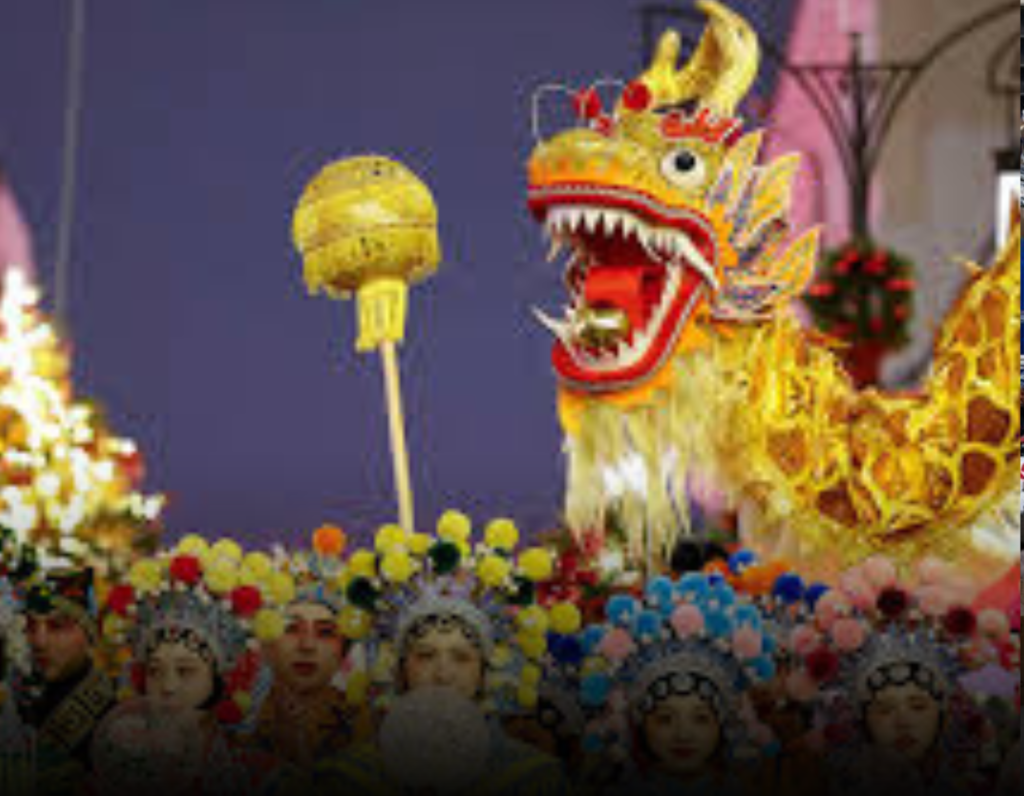
Meanwhile in Mozambique’s capital, Maputo, the celebration of the Chinese Spring Festival has evolved into an event of cross-cultural resonance – one that UNESCO officials say reflects the deepening social and cultural fabric woven between China and African societies. Speaking at a festival hosted by the Chinese Embassy and local cultural organisations, UNESCO representative Dr. Helio Sengo emphasised the “cultural value and universal appeal” of the Lunar New Year, noting how communities across Mozambique participate in parades, performances and exchanges that blend Chinese customs with local traditions.
The Spring Festival, traditionally a time of family reunions, reflection and renewal – has been interpreted in Mozambique through inclusive activities such as joint performances featuring traditional Chinese dances, African drumming ensembles and exhibitions on cultural heritage. Such engagements underscore how cultural diplomacy is complementing long-standing educational and economic connections between China and Mozambique. China has partnered with Mozambique on infrastructure projects including the Maputo-Katembe Bridge and has supported local universities in curriculum development and scholarships for Mozambican students to study in China.
Together, these stories illustrate a broader evolution in China-Africa relations – one that extends beyond trade and infrastructure into people-centred cooperation in health, culture and capacity building. In Tanzania and Mozambique alike, Chinese engagement is helping to build local skills, enrich cultural understanding, and enhance everyday life.
Experts argue that this blend of practical support and cultural exchange fosters deeper mutual understanding, creating durable ties that endure beyond the political and economic spheres. As Chinese cultural celebrations become staples in African calendars and advanced medical procedures become accessible locally through partnership, the Sino-African narrative grows richer – not only in bilateral agreements but in the lived experiences of communities across the continent.