


Africa stands at a crossroads in its energy transition. As the continent accelerates toward cleaner power sources and a modernised grid, experts are increasingly emphasising one strategic imperative: education and workforce development must underpin every policy, investment and international cooperation plan. This was the central theme of Professor Ivan Cardillo’s keynote during the Toward a Shared Green Future: China, Africa and the Strategic Reconfiguration of Global Energy Transmission webinar – a collaborative initiative by the Africa–China Centre for Policy and Advisory (ACCPA) and the Institute of Chinese Law.
African Governments should modernise education systems to produce graduates skilled in renewable energy installation, smart-grid management, and digital energy systems, Professor Cardillo said, elaborating on why renewable and digital skills must become mainstays of Africa’s education reform agenda.
The transition to renewable energy – from solar photovoltaics to smart grids – is not solely about technological imports or financing. It demands a workforce equipped with new competencies, including installation of solar panels, maintenance of wind turbines, grid digitalisation, and renewable project planning – areas already identified as high-growth skill demands across the continent. Estimates suggest that solar and wind sectors alone could create millions of green jobs in Africa by 2030, yet these roles require specialised training. Professor Cardillo stressed that while Africa is rich in renewable potential, it currently lags in workforce readiness.
This observation aligns with broader international assessments calling for renewable education to be embedded across curricula at all levels – from primary schools to vocational colleges and universities – so that the next generation is prepared for both technical and leadership roles in the energy transition.
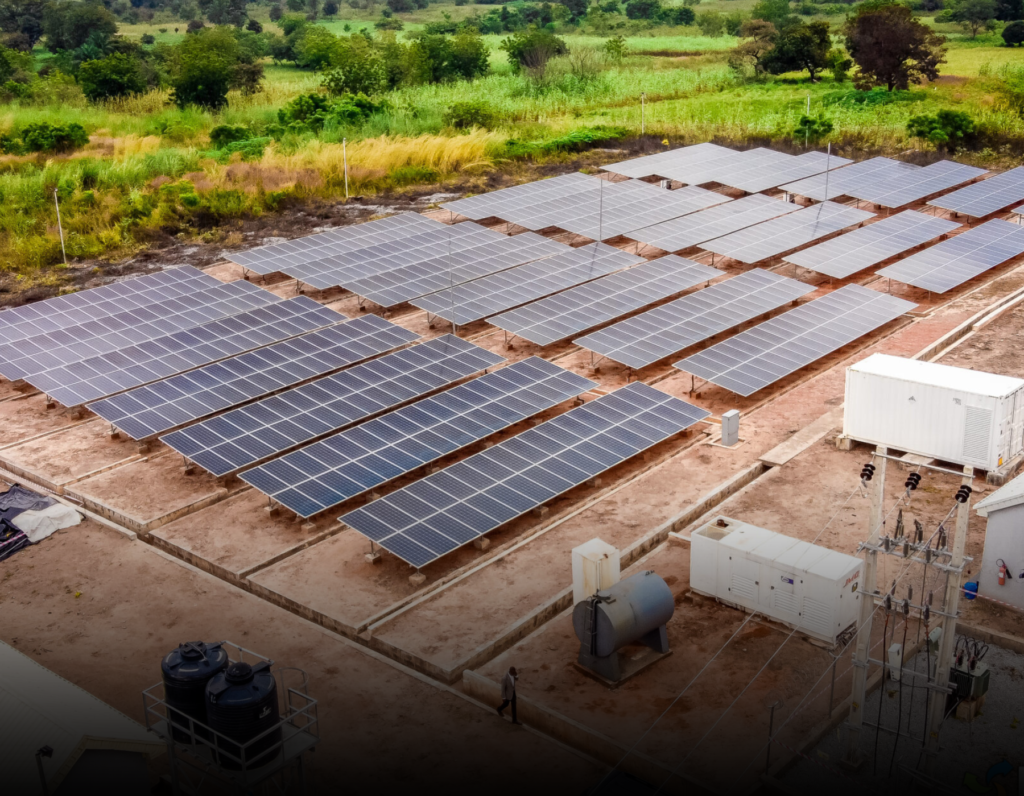
China’s engagement with African countries in renewable infrastructure projects has frequently been framed in the context of capital and equipment exports. Yet a growing body of cooperation now includes skills development and technical training partnerships.
Recent programmes demonstrate this evolving focus. In South Africa’s Northern Cape, for example, China’s Longyuan Power Group – a subsidiary of China Energy Investment Corporation – partnered with local firms to train and graduate over 100 young South Africans in solar panel maintenance, creating pathways into the renewable energy workforce.
Meanwhile, structured collaborations between the Chinese Culture and International Education Exchange Centre (CCIEEC) and South African vocational training bodies are supporting renewable energy education in TVET colleges, including hands-on training in manufacturing solar panels, inverters and lithium batteries.
Professor Cardillo welcomed these collaborations, noting that “technology transfer without skills transfer is an incomplete transition.”
The education imperative extends beyond China-Africa ties. Continental initiatives – such as the African Energy Commission’s pan-African training on renewable project planning, development, and financing – are helping build a regional ecosystem of skilled professionals capable of designing and executing complex energy projects.
These programmes reflect a broader recognition that skilling cannot be siloed. To reach Africa’s ambitious energy goals and meet global climate commitments, workforce preparedness must be integrated into national energy plans and international frameworks alike.
The World Renewable Energy Skills Agenda frames workforce development as central to achieving climate and energy targets by 2030, highlighting that millions of renewable jobs could be generated – provided that education systems adapt quickly enough.
Indeed, as the global market for renewable energy grows and China’s dominance in solar PV manufacturing and clean energy employment continues to shape worldwide trends, African countries that invest early and strategically in skills will be positioned to benefit most.
Professor Cardillo closed his remarks with a call to policymakers:
- Integrate renewable energy competencies into formal curricula across all levels of education.
- Expand technical and vocational training partnerships that reflect real-world industry needs.
- Leverage international cooperation, including frameworks like the Forum on China-Africa Cooperation (FOCAC), to build sustainable education ecosystems alongside infrastructure projects.
- Create incentives for private sector investment in workforce development, linking skills training with employment opportunities in emerging industries.
Africa’s strength will lie not just in its resources, but in its people, he concluded, reaffirming that the transition to a green future depends on whether educational systems are fit for purpose in a digital, renewable century.