

A Chinese construction company operating in Ghana is reshaping workplace collaboration through a cross-mentoring approach that is improving infrastructure project efficiency while strengthening local professional capacity.
At the center of the initiative is China Railway No. 5 Engineering Group (CR5) Ghana Limited, where Chinese and Ghanaian employees are increasingly exchanging technical knowledge, management practices, and cultural perspectives in a two-way learning system designed to improve productivity and teamwork.
The initiative reflects a broader evolution in China-Africa cooperation – moving beyond physical infrastructure into human capital development and institutional knowledge-sharing.
The mentoring structure encourages experienced Chinese engineers and managers to work closely with Ghanaian employees, while local staff also provide guidance on language, culture, workplace adaptation, and community engagement.
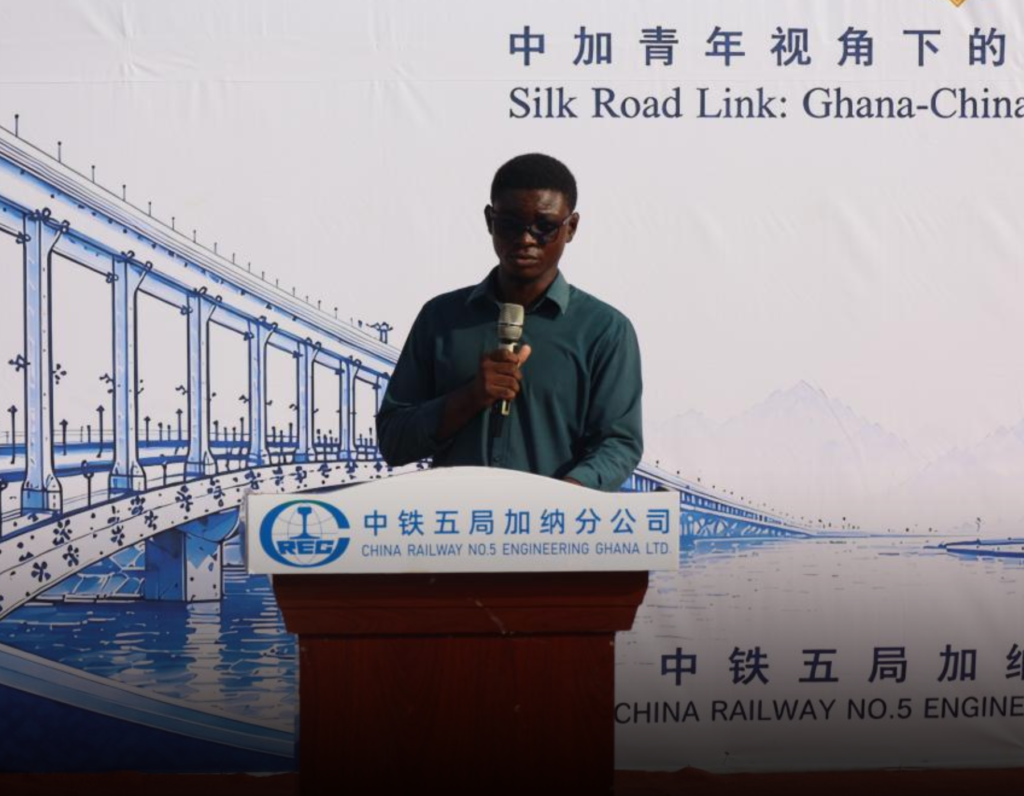
According to staff members featured during a company storytelling event in Accra, the exchange has enhanced communication, reduced operational misunderstandings, and improved project coordination.
For many employees, the benefits extend beyond the construction site.
Benedict Anane, a staff member in the company’s human resources department, highlighted how collaboration between local and Chinese teams has created opportunities for professional growth and stronger workplace cohesion.
The model is helping develop a workforce capable of operating within increasingly complex infrastructure environments, where technical expertise and cross-cultural coordination are equally essential.
Industry observers note that infrastructure projects often face delays not only because of engineering challenges, but also due to communication barriers and management gaps.
CR5’s mentoring approach appears designed to address precisely that issue – creating smoother coordination between multinational teams and improving execution speed on projects.
The company has been involved in several major infrastructure initiatives in Ghana, contributing to roads, bridges, and urban transport systems that support economic growth and connectivity.
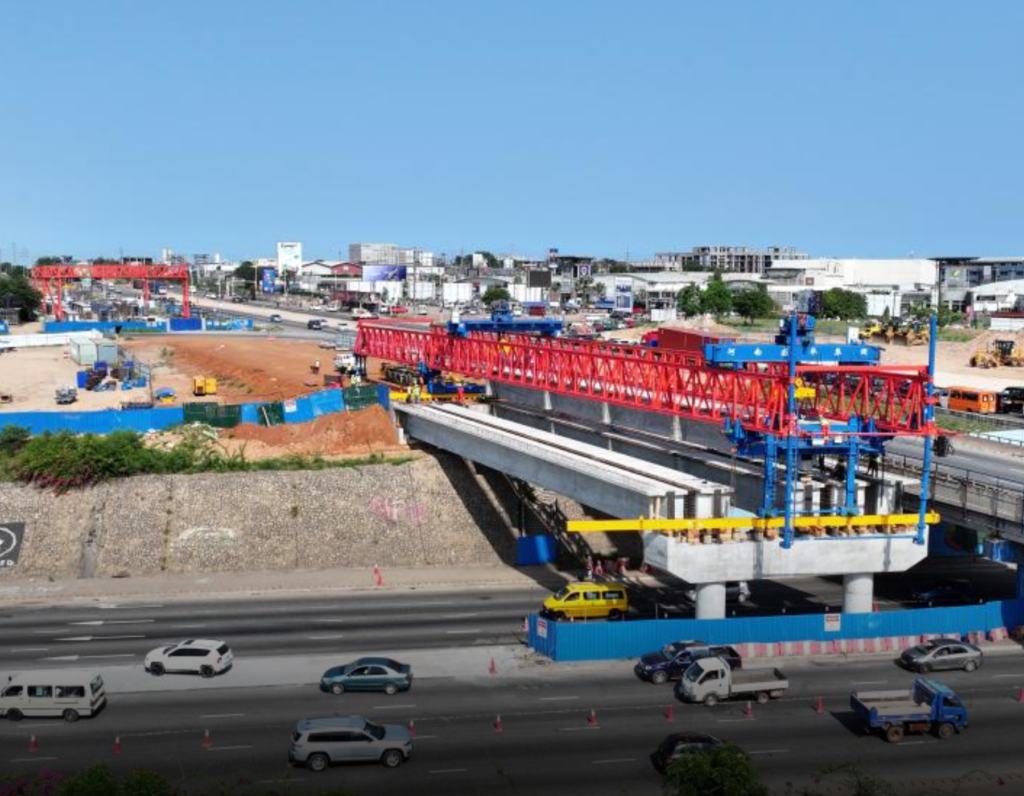
One of the firm’s most visible projects is the Flower Pot Interchange, commissioned in 2024 to reduce congestion along the Accra-Tema motorway corridor. The interchange significantly improved mobility in key commercial areas of Accra and highlighted the expanding role of Chinese engineering firms in Ghana’s urban modernization efforts.
China and Ghana share one of West Africa’s longest-standing bilateral partnerships, with cooperation spanning infrastructure, telecommunications, energy, health, and education.
Chinese-backed projects have played major roles in Ghana’s development landscape, including the Bui Dam hydroelectric project, road rehabilitation programs, and digital connectivity expansion initiatives.
In recent years, the relationship has increasingly emphasized technology transfer and local participation rather than solely project delivery.
This shift aligns with broader African priorities around skills development, employment creation, and sustainable industrial growth.
Analysts say the future of China-Africa infrastructure cooperation will depend not only on the scale of projects delivered, but also on how effectively local expertise is developed alongside them.
Cross-mentoring initiatives like the one implemented by CR5 reflect that transition. Rather than treating local labor as temporary support, the approach positions Ghanaian professionals as long-term stakeholders in infrastructure development.
It also addresses a growing demand across Africa for partnerships that combine investment with knowledge-sharing.
While cranes, highways, and bridges often dominate headlines, the deeper story may lie in the people behind the projects.
In Ghana, engineers and workers from different backgrounds are learning to operate not simply as contractors and employees, but as collaborative teams solving shared challenges.
The result is not just improved efficiency – it is the gradual creation of a more skilled, interconnected workforce prepared for the next generation of African infrastructure development.
As Ghana continues to modernize and urbanize, such partnerships may prove most valuable not for what they build today, but for the expertise they leave behind tomorrow.