

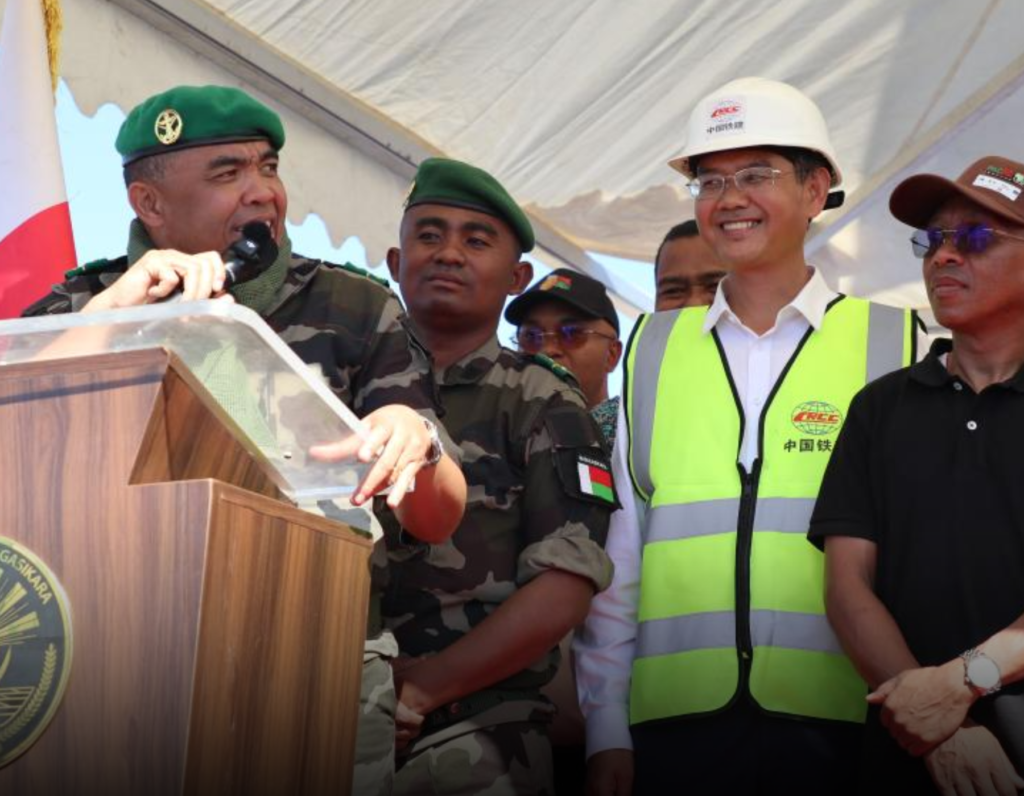
A major Chinese-supported road project in southeastern Madagascar is transforming mobility, improving access to services, and opening new economic opportunities for communities long affected by poor transport infrastructure.
The upgraded national road, completed with Chinese support, is already easing travel conditions across the region by reducing travel times and improving year-round accessibility for residents, traders, transport operators, and local businesses.
Officials and local communities have described the project as an important step toward strengthening regional connectivity and supporting Madagascar’s broader development ambitions.
For years, deteriorated road conditions made movement difficult, particularly during rainy seasons when sections became nearly impassable. The improved transport corridor is expected to facilitate trade flows, improve access to healthcare and education, and reduce logistics costs for agricultural producers.
The road serves communities that depend heavily on agriculture and local commerce, sectors that are highly sensitive to transport efficiency.
Improved road conditions are expected to help farmers move produce more quickly to markets, minimize post-harvest losses, and strengthen local supply chains. Transport operators are also expected to benefit through reduced vehicle maintenance costs and more predictable travel schedules.
Residents interviewed during project activities noted that improved roads are already changing daily life by making travel safer and more reliable.
Infrastructure specialists frequently identify transport networks as one of the most important foundations for economic transformation across Africa, particularly in regions where limited connectivity restricts access to markets and public services.
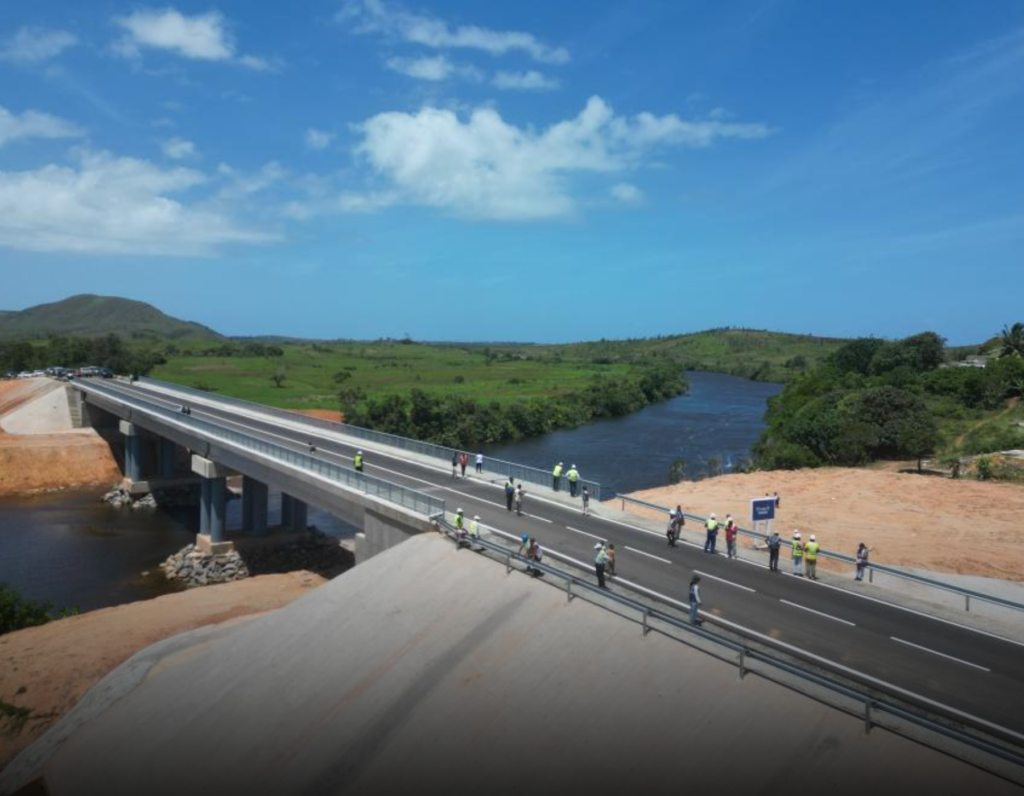
The road project reflects broader cooperation between China and Madagascar that has evolved across infrastructure, trade, agriculture, healthcare, and human capital development.
China remains an important economic partner for Madagascar and has supported projects ranging from public infrastructure and technical cooperation to agricultural modernization and health services.
Agricultural cooperation has become especially notable, with initiatives supporting rice production, agricultural training, and technology exchange aimed at improving food security and rural livelihoods.
Healthcare collaboration has also expanded through Chinese medical teams, hospital support programs, and public health initiatives that continue to serve communities across Madagascar.
Education and training exchanges have further strengthened people-to-people relations between both countries.
Across Africa, transport infrastructure continues to play a critical role in shaping competitiveness, regional integration, and economic growth.
Road investments not only improve physical connectivity – they influence access to employment, reduce trade barriers, and create conditions for broader industrial and social development.
For Madagascar, improved transport links in southeastern regions could support tourism, strengthen domestic commerce, and increase integration between rural communities and national markets.
The project also aligns with broader priorities under China-Africa cooperation frameworks that increasingly emphasize quality infrastructure, sustainable development, and inclusive growth.
As Madagascar continues to modernize its transport networks, infrastructure partnerships remain central to unlocking economic potential and improving living standards.
The completion of the Chinese-built national road offers more than smoother journeys – it provides communities with stronger connections to opportunity.
From moving goods more efficiently to improving access to essential services, the project reflects how infrastructure development can become a catalyst for long-term transformation and shared growth.
For residents in southeastern Madagascar, the road is more than a construction project – it is a pathway toward greater mobility, stronger local economies, and a more connected future.