

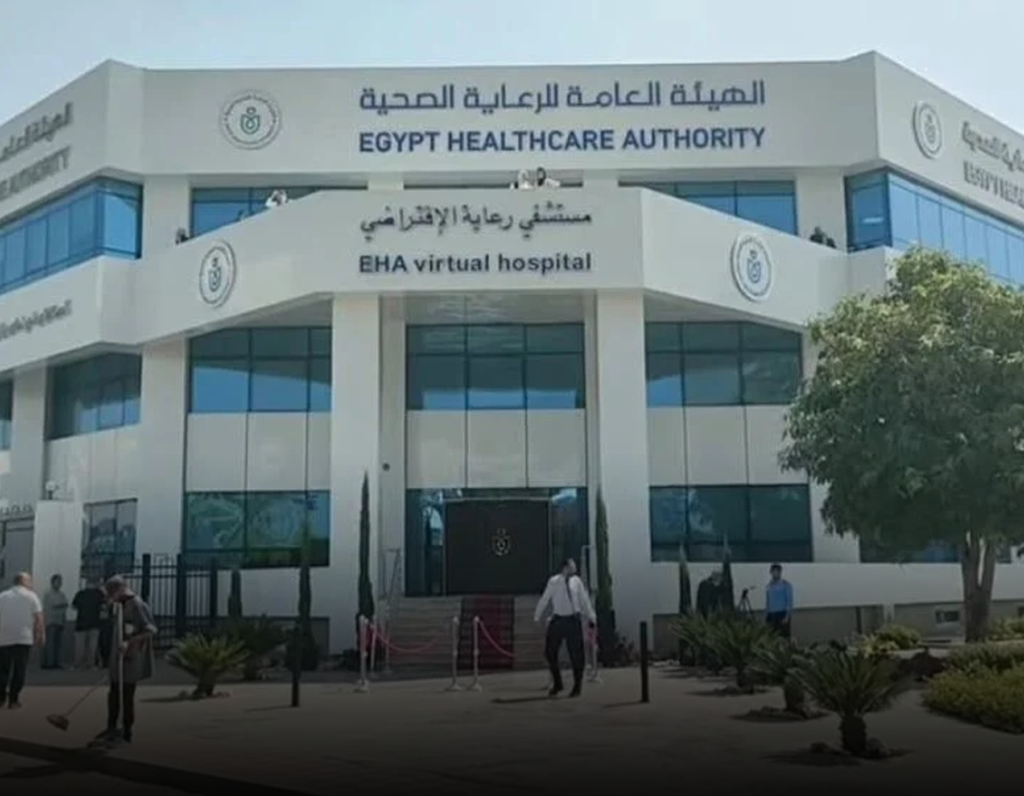
Egypt is set to pioneer a new era in healthcare delivery with the launch of Africa’s first fully integrated virtual hospital, a landmark initiative aimed at expanding access to specialized medical services through digital technology.
The ambitious project, announced by Egyptian health authorities, is designed to connect patients across the country, potentially the wider region, to a network of doctors and specialists via telemedicine platforms. By leveraging artificial intelligence, remote diagnostics and digital consultation systems. The virtual hospital is expected to ease pressure on traditional healthcare facilities while improving service reach in underserved areas.
Officials say the initiative reflects Egypt’s broader strategy to modernize its healthcare sector and accelerate digital transformation. “This project represents a significant step toward providing high-quality healthcare services to all citizens, regardless of location,” a senior health official noted. Emphasizing the role of innovation in bridging longstanding gaps in access.
The virtual hospital will enable real-time consultations, remote monitoring and second-opinion services. Connecting local healthcare providers with national and international experts. This model is particularly critical for rural and remote communities, where access to specialized care has historically been limited.
Healthcare analysts view the initiative as a potential blueprint for other African countries seeking cost-effective ways to expand healthcare coverage without the need for extensive physical infrastructure.
“Digital health solutions like virtual hospitals can dramatically improve efficiency and patient outcomes, especially in regions with uneven distribution of medical resources,” a regional public health expert said.
Egypt’s push into digital healthcare aligns with its growing technological and development cooperation with China. In recent years, the two countries have expanded collaboration in areas such as telecommunications, smart infrastructure and health technology.
Chinese firms have been actively involved in building Egypt’s digital backbone, including data centers, cloud services and telecommunications networks, critical components that support telemedicine platforms. Observers note that such partnerships have helped lay the groundwork for initiatives like the virtual hospital.
The project also complements broader China-Africa cooperation in public health, which has gained momentum following joint efforts during the COVID-19 pandemic. China has supported African countries through medical supplies, expertise exchange and capacity-building programs. Reinforcing long-term health sector collaboration.
Beyond healthcare, Egypt and China maintain strong bilateral ties across multiple sectors. China is a key investor in Egypt’s infrastructure development, including projects within the Suez Canal Economic Zone and the construction of the country’s new administrative capital.
These projects are part of Egypt’s integration into the Belt and Road Initiative, which has facilitated increased trade, investment and technology transfer between the two nations.
Experts say the virtual hospital initiative reflects how these broader partnerships are now translating into social sector advancements, particularly in healthcare and education. As Egypt prepares to roll out the virtual hospital, authorities are optimistic about its potential to transform healthcare delivery not only domestically but across Africa. “This is not just a national project, it has the potential to serve as a regional hub for medical expertise and digital health services,” an official involved in the project said.
If successful, Egypt’s virtual hospital could mark a turning point in how healthcare is delivered across the continent, offering a scalable, technology-driven solution to longstanding challenges in access, affordability and quality of care. With strong international partnerships and a clear focus on innovation, Egypt is positioning itself at the forefront of Africa’s digital health revolution. Setting a precedent for the future of healthcare across the Global South.