
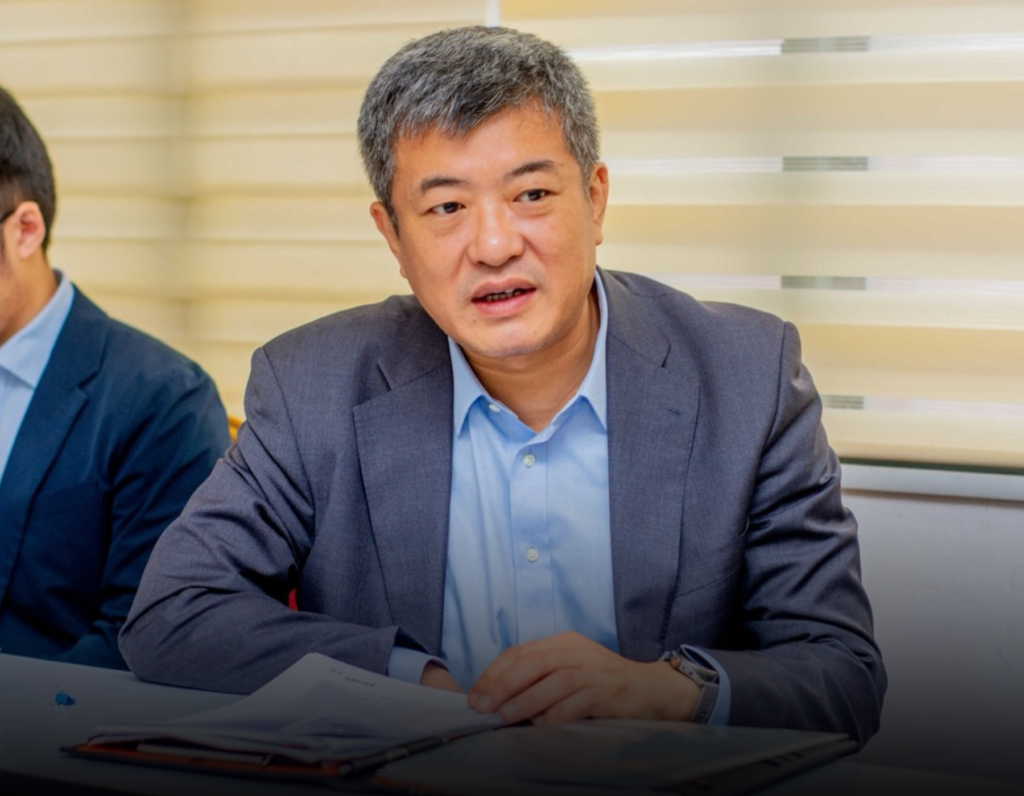
Educational, cultural and professional exchanges are becoming increasingly important to the future of Ghana–China relations, China’s Ambassador to Ghana, H.E. Cong Song, has said.
According to him, the relationship between the two countries should not be measured solely by trade, investment or infrastructure projects, but also by the connections being built among students, journalists, academics, young people and cultural institutions.
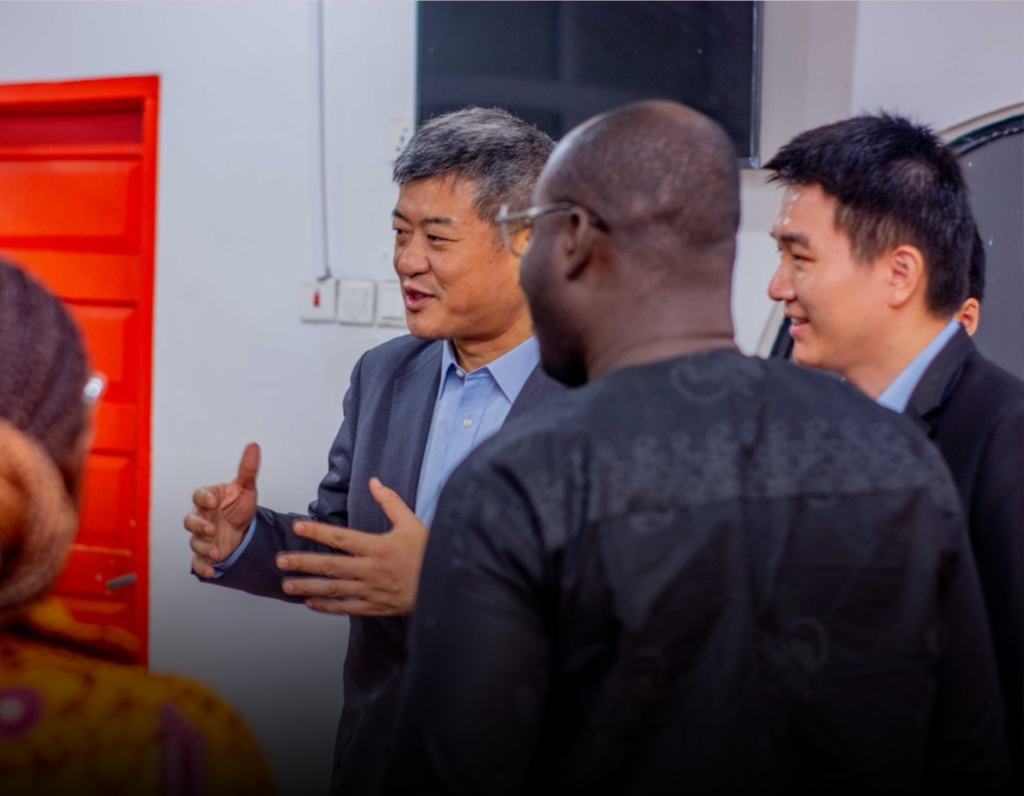
Ambassador Cong made the remarks during an interaction with media professionals at the 2026 Ghana–China Media Fellowship, organised by the Africa-China Centre for Policy and Advisory (ACCPA) in Accra.
The engagement formed part of a presentation on China’s approach to global governance, security and international cooperation. It also highlighted the role of dialogue among civilisations in promoting mutual understanding and peaceful relations among countries.
Ambassador Cong said differences in history, culture and development experiences should provide opportunities for societies to learn from one another rather than become sources of division. He maintained that no civilisation should be considered superior to another.
People-to-people cooperation has become a visible feature of Ghana–China relations. Ghanaian students continue to pursue academic and professional training in China, while Chinese-language education and cultural programmes have expanded through universities and other educational institutions in Ghana.
Exchanges involving researchers, journalists, artists and young professionals are also helping to broaden the relationship beyond formal engagements between governments and businesses.
The ambassador pointed to the 2026 China–Africa Year of People-to-People Exchanges as an opportunity to deepen such connections across the continent through education, culture, tourism, media and youth-focused activities.
Despite the progress, building genuine mutual understanding will require exchanges that work in both directions. While Chinese language and culture are gaining visibility in Ghana, greater space is also needed for Ghanaian and African histories, cultures and perspectives to be promoted in China.
Language barriers, limited public knowledge and stereotypes on both sides also remain obstacles. The media can help address these gaps through reporting that is informed and balanced while maintaining the independence necessary to examine both the benefits and concerns associated with the relationship.
As Ghana–China cooperation continues to expand, Ambassador Cong’s remarks suggest that its long-term strength will depend not only on agreements signed by governments or the volume of trade recorded, but also on how well Ghanaians and Chinese understand, engage with and learn from one another.