

Ghana’s plan to end exports of unprocessed mineral ores by 2030 is setting the stage for a potentially significant shift in the country’s mining industry, with implications for international commodity buyers, manufacturers and Africa’s long-running effort to capture more value from its natural resources.
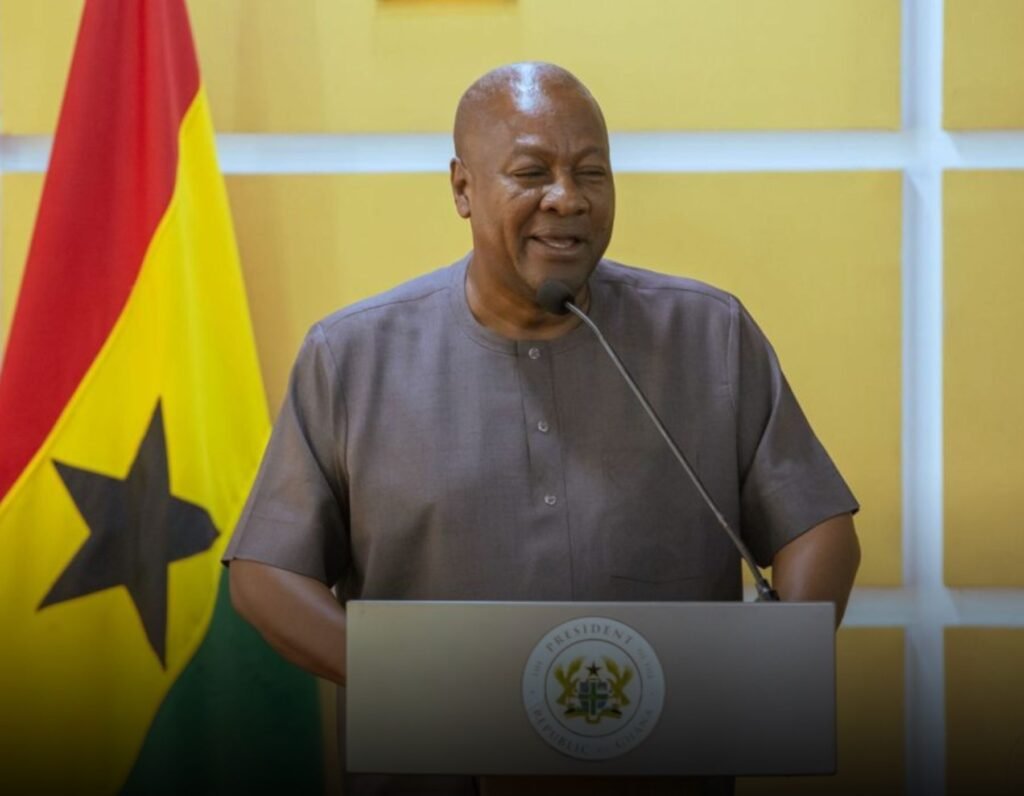
President John Dramani Mahama announced the target on October 19 at the 2026 Mining in Motion Summit in Accra, outlining plans for a phased prohibition on raw mineral exports, supported by legal measures, mineral-specific requirements and implementation timelines.
The proposed restrictions cover resources including bauxite, manganese, iron ore and lithium, as the government seeks to replace an economic model centred on extracting and exporting raw materials with one that supports domestic processing, manufacturing and industrial employment.
For decades, Ghana has supplied mineral resources to industries abroad while importing products manufactured from those resources. The new policy seeks to change that relationship by encouraging more refining and processing before minerals leave the country.
But Ghana’s decision raises questions extending well beyond its borders. How will international buyers respond if access to Ghanaian raw minerals becomes conditional on local processing? Can domestic industries produce processed minerals at globally competitive prices? And could Ghana’s approach encourage other African countries to reconsider how they negotiate access to their mineral wealth?
Time to go Premium?
Login to gain full access to SAI or Subscribe now!