

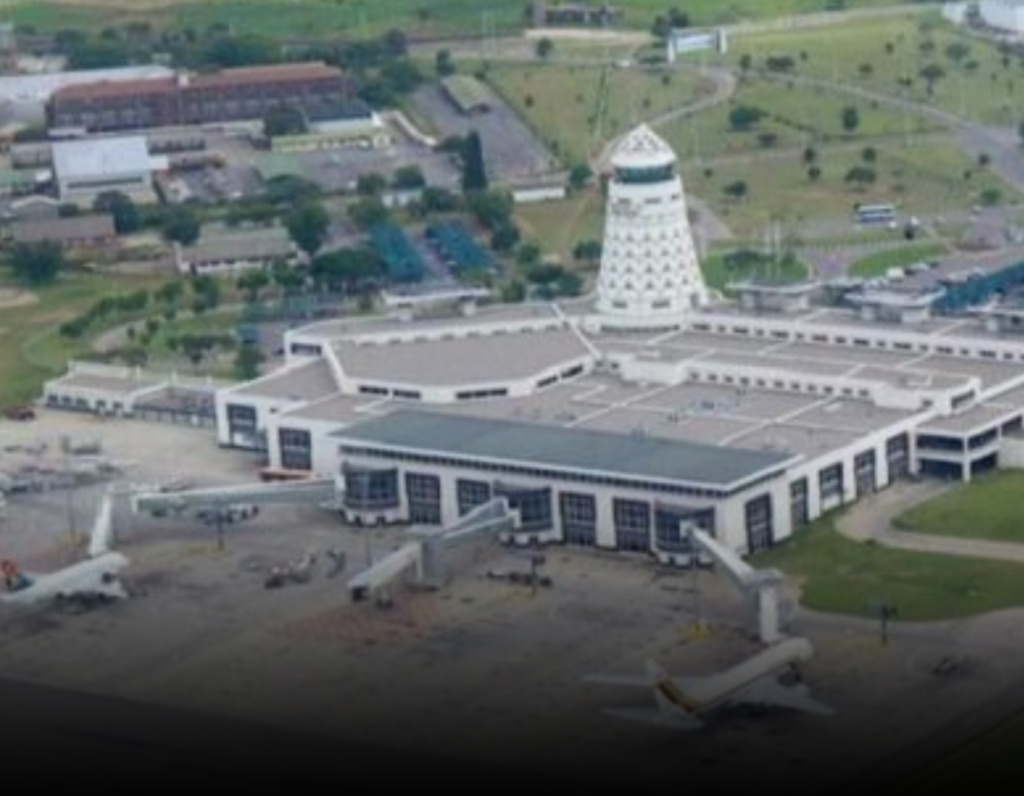
Zimbabwe’s main aviation gateway is experiencing a rise in passenger activity following the completion of a major airport modernisation project financed by China, highlighting how infrastructure cooperation between the two countries is reshaping regional connectivity.
Officials from the Airports Company of Zimbabwe say passenger traffic has improved significantly since the expansion of Robert Gabriel Mugabe International Airport, the country’s largest airport. According to the company’s chief executive, travelers have responded positively to the upgraded facilities, with the modernised infrastructure helping streamline passenger flows and enhance the overall airport experience.
The project forms part of Zimbabwe’s broader effort to modernise its transport infrastructure and strengthen the country’s role as a regional aviation hub in Southern Africa.
The airport expansion, valued at about $153 million, was financed through a concessional loan from the Export-Import Bank of China and constructed by the Chinese contractor China Jiangsu International Economic and Technical Cooperation Group.
The modernisation project included the construction of a new international terminal building, additional aprons, new air bridges, and upgraded communication and lighting systems to improve safety and passenger handling.
Once fully operational, the expanded airport is capable of handling up to six million passengers annually, more than double its previous capacity of about 2.5 million travelers per year.
Zimbabwean authorities say the development has helped attract more airlines and international travelers, while improving efficiency at one of the country’s key transport hubs. The upgraded infrastructure is also expected to support tourism growth and facilitate trade by strengthening air connectivity with regional and global markets.
Zimbabwe views tourism as a major pillar of its economic recovery strategy, and improved airport infrastructure plays a critical role in that effort. Officials say the upgraded terminal allows the airport to accommodate more aircraft simultaneously and provide a more modern travel experience for visitors.
Airlines operating at the airport include major regional and international carriers such as Ethiopian Airlines, Emirates and Qatar Airways, which connect Zimbabwe with destinations across Africa, the Middle East and beyond.
With global travel rebounding after pandemic disruptions, Zimbabwean policymakers believe the improved facilities will help position the country as a competitive destination for tourism and investment.
The airport expansion is one of several large-scale infrastructure projects developed through cooperation between China and Zimbabwe in recent years.
Chinese-backed investments have played a role in projects ranging from energy and telecommunications to government infrastructure. Among the most prominent developments is the New Parliament Building of Zimbabwe, a landmark complex constructed with Chinese support.
Energy cooperation has also been significant, with Chinese firms contributing to the expansion of the Kariba South Hydropower Station and the Hwange Thermal Power Station, projects aimed at strengthening Zimbabwe’s electricity supply.
In the aviation sector specifically, Chinese companies have also supported the modernisation of Victoria Falls International Airport, a key gateway for tourism to the iconic waterfall destination.
Analysts say Zimbabwe’s aviation upgrades reflect a broader trend across Africa, where improved infrastructure is being used to stimulate tourism, trade and regional integration.
As air travel demand grows across the continent, projects like the expansion of Robert Gabriel Mugabe International Airport illustrate how partnerships between African countries and international investors are reshaping transportation networks and creating new economic opportunities.
For Zimbabwe, the success of the airport expansion offers a glimpse into how strategic infrastructure development – combined with international cooperation – can help open new gateways for growth.