

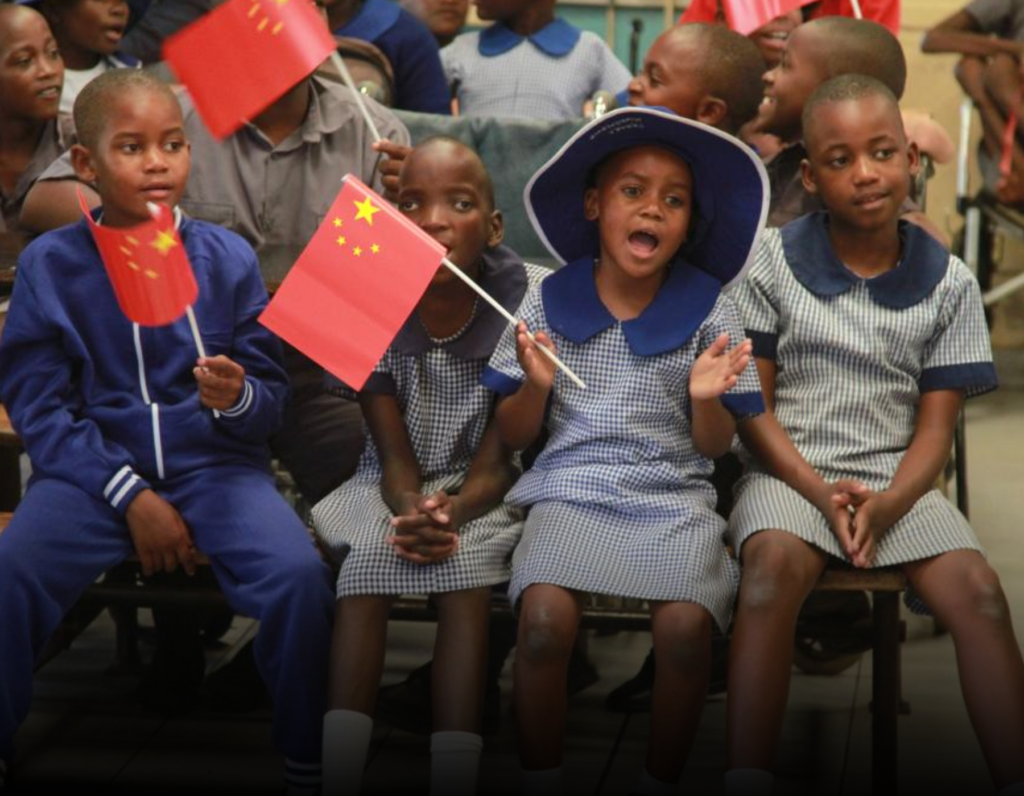
In a heartfelt demonstration of China’s long-standing partnership with Zimbabwe, the Chinese Embassy, supported by members of the Chinese community, donated essential supplies to children with disabilities at the Jairos Jiri Centre Primary School in Harare on January 16, 2026. The contributions, including daily necessities, stationery and solar equipment, reflect a broader tapestry of cooperation between the two nations that extends far beyond diplomacy into social support and people-to-people engagement.
The school, which currently serves 168 children with varying disabilities, has faced chronic challenges ranging from food shortages to unreliable power supply. During the donation ceremony, school leadership expressed deep gratitude, noting that the supplies will directly alleviate immediate needs and improve the learning environment for vulnerable students.
Among the donated items was solar equipment valued at approximately US $12,000, provided by a Chinese company active in Zimbabwe’s energy sector. The addition of reliable lighting is expected to make classrooms more conducive to learning, underscoring how targeted material assistance can make a tangible difference in educational outcomes for children with disabilities.
Chinese Ambassador to Zimbabwe Zhou Ding emphasized that this gesture is part of consistent engagement by the Chinese diplomatic mission and community. The embassy regularly supports vulnerable groups and spearheads initiatives that promote inclusion, education and wellbeing, elements that both nations increasingly view as cornerstones of sustainable development.
“We hope these students feel valued, supported and empowered to contribute meaningfully to their communities and, someday, to the friendship between our countries,” Ambassador Zhou said at the event.
This donation initiative aligns with a comprehensive strategic partnership between China and Zimbabwe, formalised in 2018 and further elevated in recent years through high-level engagements. China has been one of Zimbabwe’s largest sources of foreign investment and trade, with bilateral exchanges reaching over US $3 billion in 2023, a nearly 30 percent increase from the previous year.
Under this cooperative framework, Beijing has supported key infrastructure and development projects throughout Zimbabwe. These include expansions of major power stations like Kariba South, upgrades to national airports and improvements in transportation infrastructure, all designed to combat chronic energy shortages and enhance connectivity.
China’s engagement goes beyond bricks and mortar. It includes medical cooperation, such as the “Bright Journey” programme providing cataract surgeries to hundreds of Zimbabweans as well as collaborative policy dialogues that align China’s national development plans with Zimbabwe’s Vision 2030. These initiatives promote long-term socioeconomic development and workforce capacity building.
Civic engagement, cultural exchanges and educational linkages have also been priorities. China has supported academic partnerships, vocational training programmes and shared knowledge platforms to broaden opportunities for Zimbabwean students and professionals.
The donation to the Jairos Jiri Centre Primary School is part of a wider pattern of China’s social contributions in Zimbabwe, which have included vaccine donations during the COVID-19 pandemic, medical teams on the ground, and investment in healthcare infrastructure. These efforts illustrate a soft power dimension to the bilateral relationship that resonates with Zimbabwean communities on the ground.
As China and Zimbabwe continue to expand their partnership into the mid-21st century, initiatives like this supply donation serve as important symbols of friendship and solidarity. They highlight a shared commitment to inclusive development, ensuring that even the most vulnerable populations benefit from international cooperation.
For Zimbabwe, these efforts complement national strategies to improve education access and social welfare. For China, they reinforce a narrative of mutual support rather than transactional engagement, strengthening people-to-people connections that underpin broader state-level relations.
While debate continues globally about the nature and scale of Chinese engagement in Africa, this act of community support in Harare offers a human-centred glimpse into how bilateral cooperation can directly touch lives and expand the scope of diplomatic partnership in ways that resonate with ordinary citizens.