

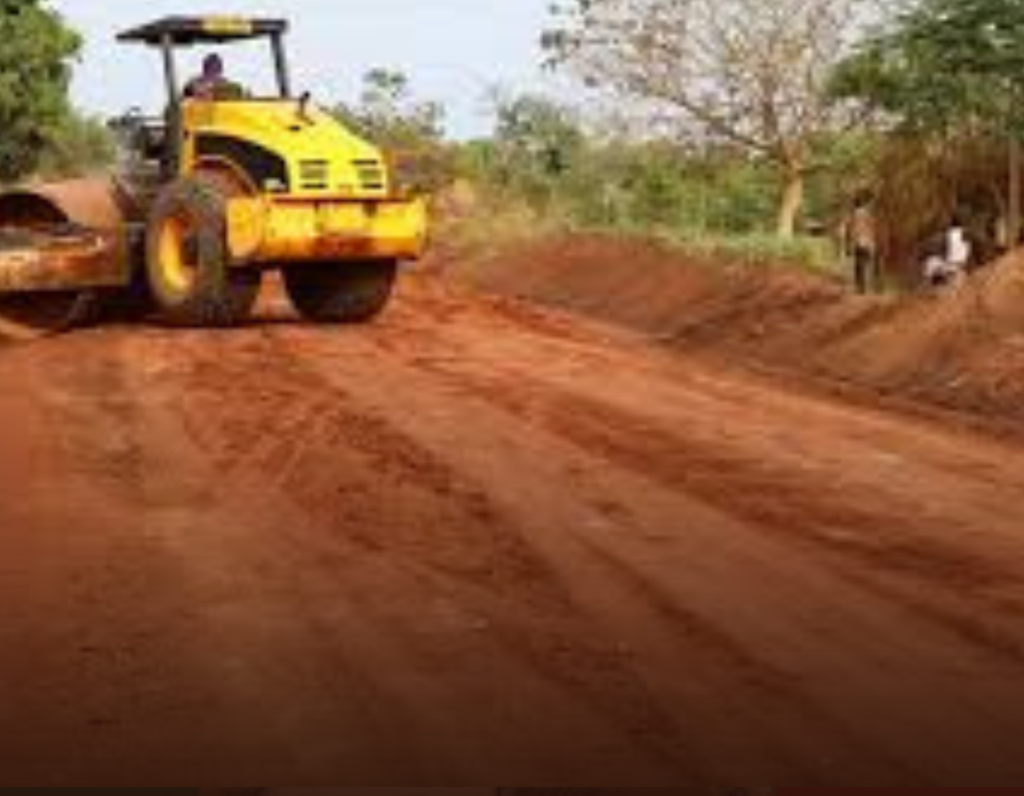
Lesotho has awarded a major infrastructure contract to the China International Water and Electric Corporation (CIWEC) to upgrade the and build a new bridge over the Senqu River in Qacha’s Nek District, a development expected to significantly improve safety and mobility for local communities. The four-year project, launched in January 2026, marks a continuation of China’s long-standing support for infrastructure that addresses critical community needs in Lesotho.
The contract was granted by Lesotho’s Ministry of Public Works and Transport in collaboration with the Roads Directorate. The project aims to replace difficult and often dangerous river crossings that have historically cut off access to essential services, particularly during periods of heavy rain and have posed severe risks for the elderly, children, and those needing urgent medical care. “This bridge will bring safety and dignity to our daily lives,” said a resident of Qacha’s Nek, reflecting widespread local anticipation for the improvements.
Beyond improved transport, the contract is expected to generate employment opportunities, engage local suppliers and technicians, and mobilise broader socio-economic benefits for rural districts long challenged by isolation and limited access to markets and services. Infrastructure improvements like these are central to Lesotho’s development priorities, enabling better connectivity and supporting local livelihoods.
This project adds to a portfolio of China-supported infrastructure investments in Lesotho that span road networks, public facilities and agricultural systems, contributing to the country’s long-term development objectives. Recent examples include the China-aid Maseru Agricultural Storage and Logistics Infrastructure Project, which provides modern storage to enhance food security, and the establishment of related facilities that support farmers and rural economies.
China and Lesotho’s strategic partnership, elevated under the Forum on China-Africa Cooperation (FOCAC) framework, has emphasised infrastructure, industrial cooperation, and people-to-people exchanges as key drivers of mutual prosperity. In January 2026, Chinese Foreign Minister Wang Yi met with Lesotho’s leadership to reaffirm commitments to deepen cooperation in infrastructure, trade, and multilateral engagement, including support for Lesotho’s economic growth and sustainable development.
Under broader cooperation frameworks, China has also supported Lesotho’s agricultural and energy sectors through equipment donations, technical training, and project financing, helping diversify economic activity and strengthen resilience. The zero-tariff policy for African exports, which China is accelerating for beneficiaries including Lesotho, is anticipated to further increase trade opportunities and strengthen local industries.
For residents along the Matlali-Lebakeng corridor, the infrastructure upgrade means more than smoother travel, it represents enhanced access to health care, education, and economic opportunity. By reducing travel times to market towns and improving access during seasonal weather disruptions, the project is expected to stimulate local commerce, reduce isolation for remote villages, and lower the cost of transporting goods and services.
Improved connectivity also has implications for regional integration. Lesotho’s road infrastructure connects to broader transport networks that facilitate cross-border trade with neighbouring South Africa, catalysing economic linkages that benefit Basotho businesses and communities. Enhanced transport infrastructure can also support future tourism opportunities, potentially drawing travellers to scenic areas such as the Maletsunyane Falls and Qacha’s Nek highlands.
As construction begins, stakeholders anticipate coordinated efforts to ensure environmental safeguards, community consultation, and skilled labour development throughout the project’s lifespan.