

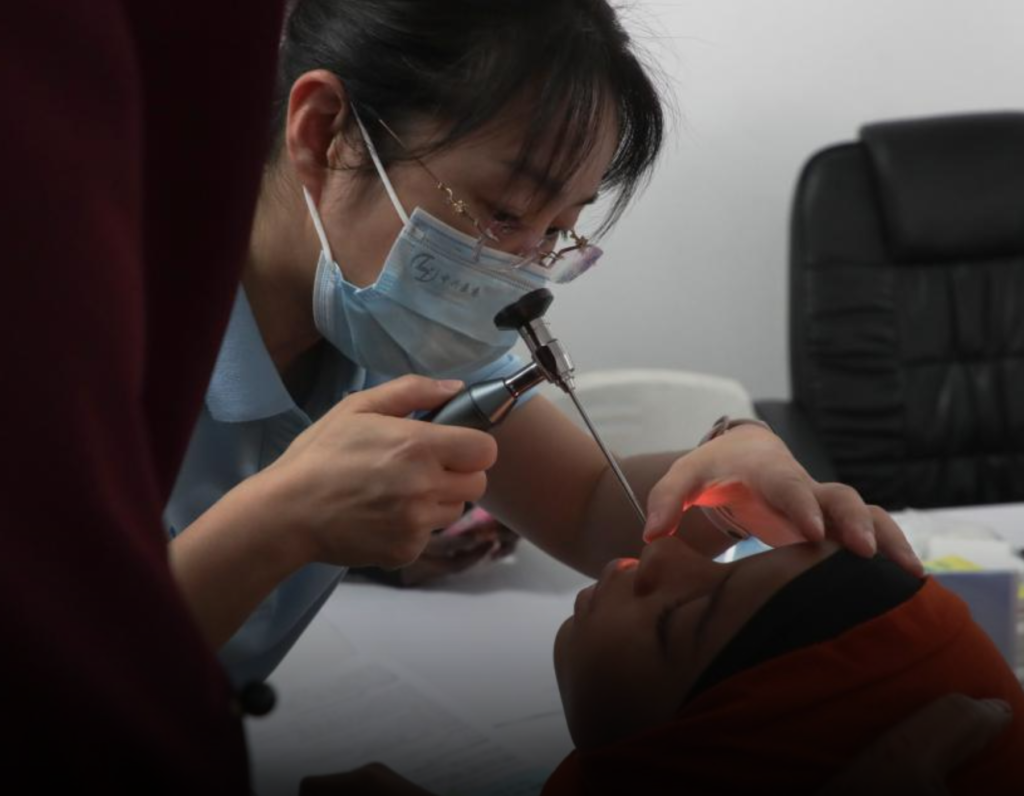
In the bustling wards of Muhimbili National Hospital and across community clinics in Dar es Salaam, a quiet but powerful story is unfolding – one defined by compassion, collaboration, and continuity.
Chinese medical teams have recently provided treatment to more than 1,000 patients in Tanzania’s commercial capital, offering not only clinical care but a renewed sense of hope for communities navigating limited access to specialised healthcare.
This outreach, which included consultations, surgeries, and health education, reflects a broader pattern of sustained engagement. It is not a one-time intervention – but part of a long-standing commitment that continues to evolve with Tanzania’s healthcare needs.
China’s medical presence in Tanzania dates back decades, forming one of the most enduring pillars of bilateral cooperation. Chinese doctors have worked alongside Tanzanian counterparts in major referral hospitals and local clinics, sharing expertise and strengthening service delivery.
Beyond hospital walls, outreach programs are extending care into underserved communities. A recent initiative under the “100 Medical Teams in 1,000 Villages” program brought free consultations, disease screening, and health education to rural populations, reinforcing primary healthcare systems.
As one participating expert noted, these programs aim to “strengthen grassroots medical services and disease prevention,” highlighting a shift toward preventive care and community health resilience.
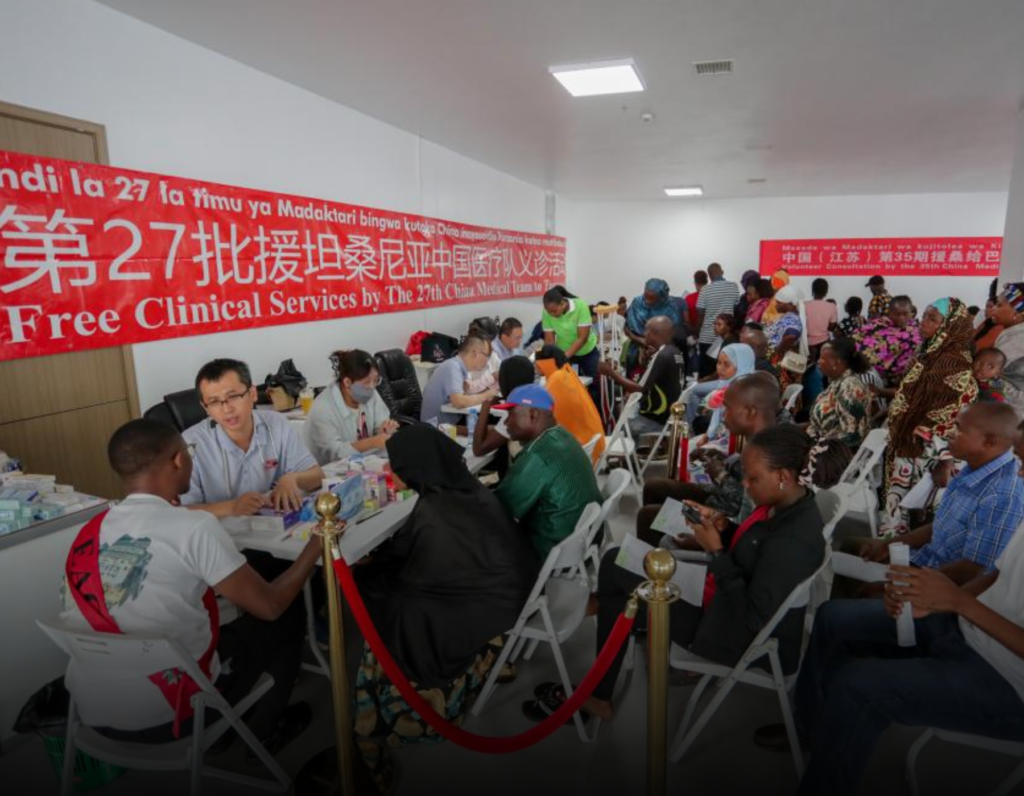
The impact of Chinese medical teams goes beyond patient numbers. It is visible in capacity building – training local doctors, introducing new techniques, and supporting specialised fields such as cardiology and infectious disease control.
Facilities like the Jakaya Kikwete Cardiac Institute, a leading cardiovascular center, exemplify Tanzania’s growing medical capabilities, supported in part by international partnerships and knowledge exchange.
This cooperation reflects a deeper philosophy: healthcare as a shared responsibility. Over the years, Chinese teams have contributed not only to treatment but also to system development – helping Tanzania strengthen its healthcare infrastructure and workforce.
The medical mission is just one dimension of a broader China-Tanzania partnership that spans infrastructure, trade, and cultural exchange.
Historically, one of the most iconic symbols of this relationship is the Tanzania–Zambia Railway (TAZARA), built with Chinese support in the 1970s to connect landlocked Zambia to Tanzanian ports – an early example of large-scale South–South cooperation.
Today, collaboration continues across sectors. China remains a key partner in infrastructure development, industrial investment, and trade, while people-to-people ties have deepened through education and migration. An estimated tens of thousands of Chinese nationals live and work in Tanzania, contributing to business, healthcare, and technology sectors
Yet, at its core, this partnership is measured not in statistics, but in human stories.
For the patients treated, many of whom gained access to specialised care for the first time, the presence of Chinese medical teams represents more than assistance. It represents possibility.
In a global landscape often defined by geopolitics and competition, the work unfolding in Dar es Salaam offers a different narrative: one where cooperation is practical, visible, and deeply human.
As China and Tanzania continue to expand their partnership, healthcare remains a central pillar – bridging nations through shared challenges and collective solutions.
The treatment of over 1,000 patients is not just a milestone. It is a reminder that the most enduring partnerships are those that touch lives directly.
And in the corridors of Tanzania’s hospitals, that partnership continues – quietly, steadily, and with purpose.