

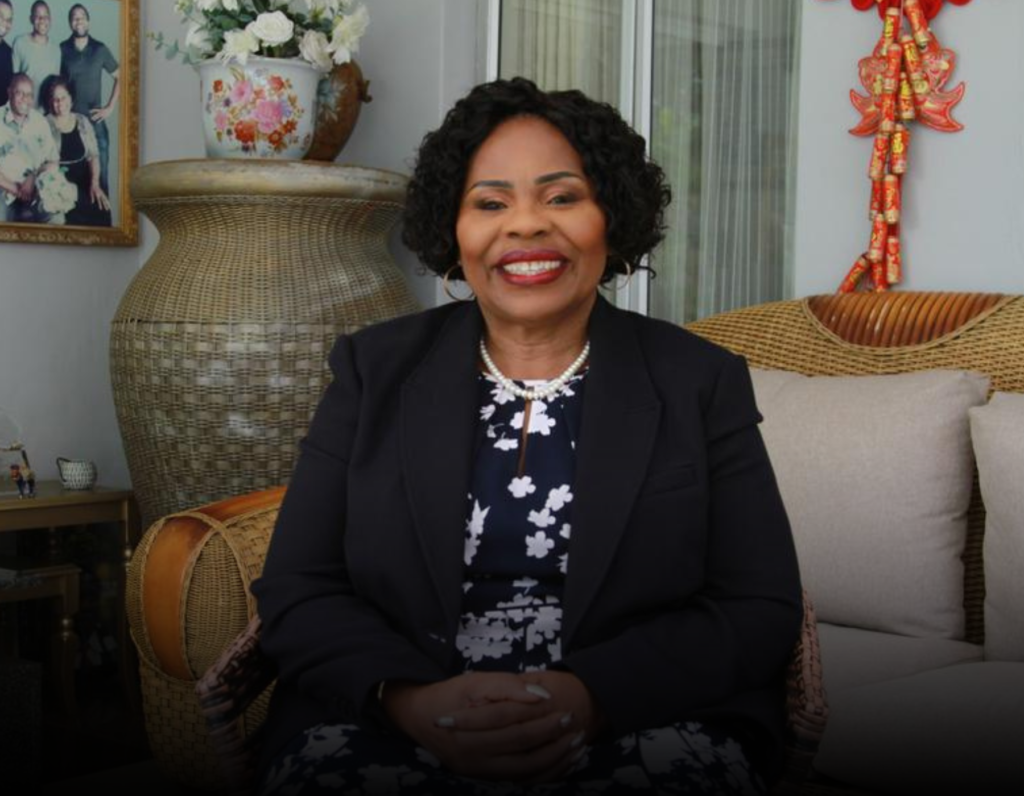
Women are increasingly at the forefront of strengthening cultural cooperation and people-to-people exchanges between Zimbabwe and China, underscoring an often-underappreciated dynamic in the two countries’ longstanding partnership. Zimbabwe’s Minister of Women Affairs, Community, Small and Medium Enterprises Development, Monica Mutsvangwa, highlighted the vital role of women during celebrations marking the Chinese Lantern Festival and the upcoming International Women’s Day at the Chinese Embassy in Harare.
Mutsvangwa noted that although Zimbabwe and China are geographically distant, cultural convergences – such as Zimbabweans joining Chinese communities in celebrating the Lantern Festival – have helped to nurture mutual understanding, harmony, and respect. She said women, as cultural ambassadors within their communities and families, often lead the way in fostering these cross-cultural connections. “Let us commit to seeing the potential in every woman, creating opportunities where none exist, and lighting the path for generations to follow,” Mutsvangwa urged, echoing the spirit of collaboration between the two nations.
Chinese Ambassador to Zimbabwe Zhou Ding emphasised that this year has been designated the China-Africa Year of People-to-People Exchanges, and events like the Lantern Festival celebration are part of broader efforts to deepen understanding and cooperation between citizens of both countries. He also pointed out that many Chinese-supported development projects in Zimbabwe have brought tangible benefits to local women, particularly in health, education, and business sectors.
Community engagement has played an important role in advancing cultural links. Recent celebrations at the embassy included cultural activities like calligraphy, paper cutting, and traditional Chinese culinary experiences, drawing Zimbabweans of all ages and backgrounds eager to learn about Chinese traditions. Participants described the gatherings as meaningful platforms for intercultural dialogue and appreciation.
The presence of Zimbabweans fluent in Chinese – such as degree holders in the language working in education and cultural programming – further illustrates a growing interest among Zimbabwe’s youth in understanding China’s culture, language, and business practices. These grassroots exchanges complement institutional efforts to build lasting ties and reinforce friendship between ordinary people.
Women’s contributions to Zimbabwe-China relations are not limited to cultural celebrations. Across the economic landscape, female entrepreneurs and small-business owners are engaging with Chinese partners in ways that bolster local enterprise development. Zimbabwe’s emphasis on women’s economic empowerment dovetails with broader initiatives under the Forum on China-Africa Cooperation (FOCAC) Beijing Action Plan (2025-2027), which prioritises women’s participation in training, business mentorship, and access to finance as part of its people-to-people and SME empowerment programmes.
Moreover, joint efforts in agriculture, mining and infrastructure development have opened new avenues for women’s involvement in sectors previously dominated by larger corporations. For instance, China–Zimbabwe cooperation in upgrading irrigation facilities aims to modernise agriculture and enhance productivity, with rural women farmers among the chief beneficiaries of improved access to water and sustainable farming practices.
The contemporary Zimbabwe-China relationship – now nearly 45 years old – has grown into a multi-layered partnership encompassing politics, infrastructure, trade, education and cultural ties. Diplomatic milestones celebrated in recent years have reaffirmed this enduring cooperation, with leaders from both sides affirming a shared vision for mutual development and long-term engagement.
Chinese support has helped to modernise key infrastructure, including the construction of Zimbabwe’s New Parliament Building, completed by a Chinese firm and a symbol of diplomatic friendship.
Trade relations have similarly deepened, with partnerships expanding in sectors such as tobacco production and value-added export industries. Zimbabwe’s tobacco industry is increasingly integrating with Chinese markets and investors to boost exports and local processing, creating new opportunities for domestic growth and employment.
As Zimbabwe and China mark another year of collaboration, the role of women in driving bilateral exchanges highlights both societal progress and the evolving nature of international cooperation. From cultural celebrations to economic empowerment and community leadership, women are emerging as vital agents of connection in the broader fabric of China-Africa relations – a testament to the power of inclusive partnerships in shaping sustainable development and shared prosperity.