

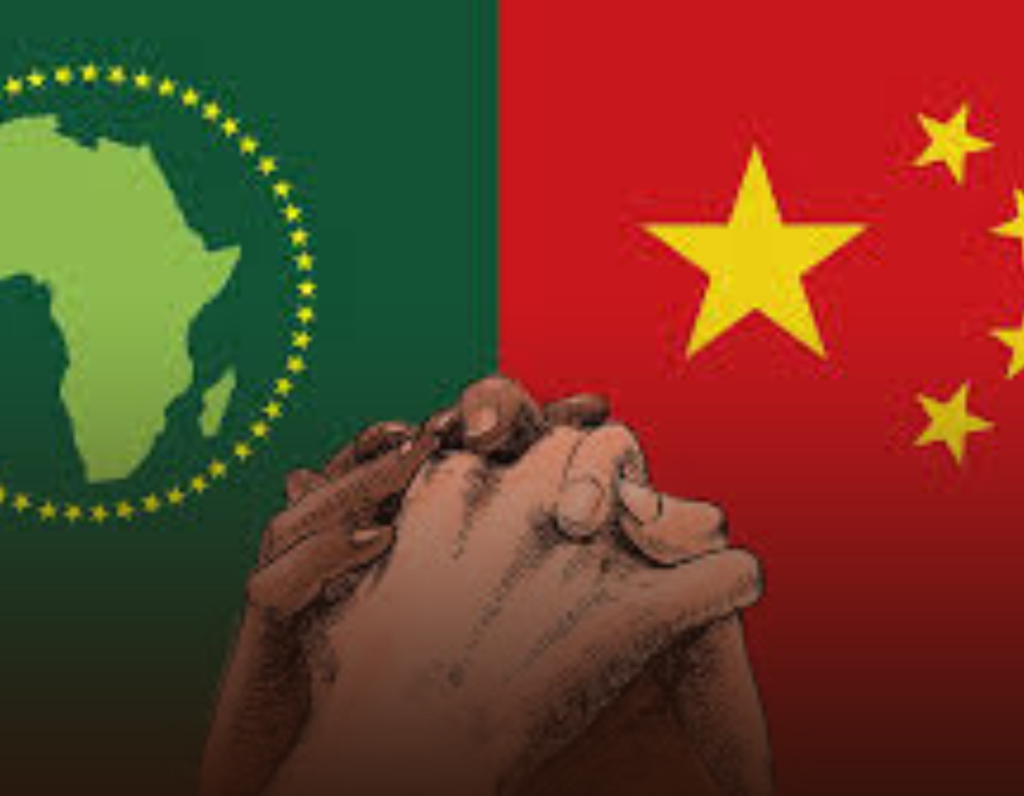
The year 2026 is poised to mark a defining chapter in China-Africa educational cooperation as a suite of new initiatives takes shape across universities, vocational institutes and research platforms on both sides of the partnership. Building on decades of collaboration, leaders from the two regions are mobilising resources to expand student mobility, joint research, vocational training and teacher development, creating stronger foundations for shared progress and mutual understanding.
Under the recently launched China-Africa Year of People-to-People Exchanges, education and talent development are prominent priorities, with plans to dramatically scale up opportunities for African learners and professionals. In 2026 alone, China intends to offer tens of thousands of training placements, facilitate joint academic programmes, and boost partnerships between universities and vocational institutions. These efforts are supported by broader cooperation frameworks such as the Plan for China-Africa Cooperation on Talent Development and the China-Africa Universities 100 Cooperation Plan.
A key objective for 2026 is to bridge the gap between academic knowledge and practical skills. Institutions such as Luban Workshops, already established in at least 15 African countries, are serving as vocational hubs that equip young people with technical competencies aligned to local industry needs. In Ethiopia, Luban Workshop graduates have translated classroom skills into employment opportunities in sectors ranging from construction to digital manufacturing.
Meanwhile, university partnerships are strengthening educational exchange at multiple levels. For example, Zhejiang Normal University and Nelson Mandela University have developed structured collaborations that span student mobility, short-term study visits, joint research and faculty exchanges. Such cooperation models are becoming templates for similar programmes across the continent.
Scholarship and teacher training programmes likewise underpin expanded education cooperation. China has historically supported African higher education through initiatives such as the 20+20 Cooperation Plan for Chinese and African Institutions of Higher Education, which facilitates institutional partnerships and mobility opportunities. In addition, Confucius Institutes and classrooms across Africa, more than 100 in total, sustain Chinese language and cultural education while nurturing bilingual competencies that enhance graduates’ global career prospects.
Looking ahead, authorities in both regions are encouraging new channels for teacher capacity building and digital learning. China has pledged to train tens of thousands of instructors over the next three years and to establish regional digital and vocational education centres, in collaboration with African counterparts and UNESCO, aimed at modernising curricula and teaching practices.
Enhanced educational ties dovetail with wider China-Africa cooperation under the Forum on China-Africa Cooperation (FOCAC), which stresses talent development as a cornerstone of sustainable growth. Educational collaboration complements infrastructure, trade and health initiatives for instance, intergovernmental scholarship schemes that have enabled African students to study in China, and paired training programmes in fields such as engineering, agriculture and language studies that build local capacity.
The expansion of educational exchanges also aligns with broader economic and diplomatic initiatives, such as the deepening strategic partnerships seen with countries like Kenya, which has integrated vocational and technical cooperation into its BRI engagement, and South Africa, where joint research and youth innovation forums cut across both academic and enterprise sectors.
By intensifying educational cooperation in 2026, China and African partners are investing in a generation equipped with the knowledge, skills and cross-cultural experience needed to lead future development. These efforts not only advance individual opportunity but also reinforce institutional resilience, economic diversification and scientific innovation across the continent, contributing to a long-term, people-centred vision of China-Africa partnership.