

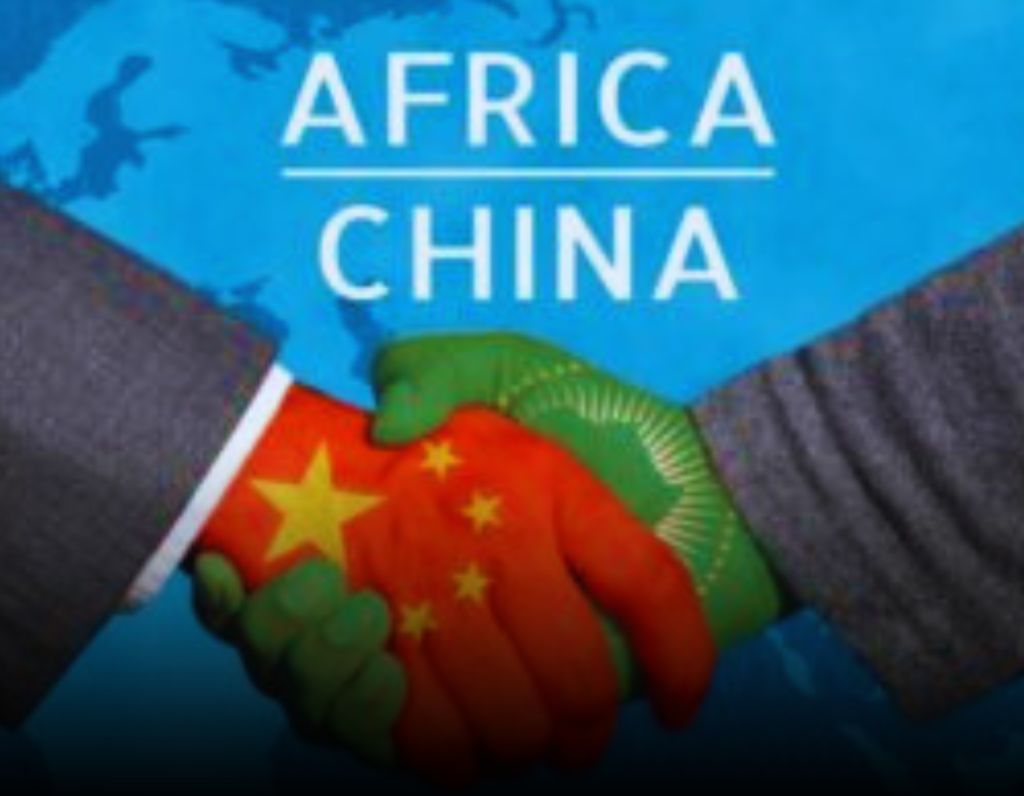
China’s decision to remove tariffs on imports from African countries is expected to unlock new opportunities for agricultural trade between China and South Africa, strengthening one of the continent’s most significant bilateral economic partnerships.
Beginning in 2026, China plans to grant zero-tariff treatment to imports from 53 African countries with which it maintains diplomatic relations, a move widely viewed as a major step toward expanding trade and improving market access for African products.
For South Africa, already China’s largest trading partner on the continent, the policy could significantly boost agricultural exports such as fruit, wine, meat products and processed foods.
South African agricultural leaders say the tariff-free policy will help the country’s farmers and agribusinesses access the vast Chinese consumer market.
Speaking during the International Poultry and Livestock Exhibition Africa (IPLEX), Gauteng’s Member of the Executive Council for Agriculture and Rural Development, Vuyiswa Ramokgopa, said the initiative creates “a significant opportunity” for South Africa to expand exports and unlock growth in agriculture and related sectors.
Industry stakeholders believe the policy could also strengthen agricultural technology exchange. Chinese companies attending agricultural trade exhibitions in South Africa have expressed interest in sharing expertise in areas such as breeding, feed production, and large-scale farming systems to help modernize livestock and poultry production.
Agricultural specialists say such cooperation could support productivity gains and enhance food security across the region.
The growing focus on agriculture comes against the backdrop of expanding China–Africa trade. According to Chinese customs data, total trade between China and Africa reached about $295.6 billion in 2024, maintaining China’s position as Africa’s largest trading partner for more than a decade.
South Africa remains China’s largest trading partner in Africa, with bilateral trade reaching roughly $52.4 billion, highlighting the importance of economic ties between the two countries.
Analysts note that eliminating tariffs may allow middle-income African economies such as South Africa to expand exports more rapidly due to their relatively strong logistics and industrial capacity.
The new tariff policy also aligns with ongoing efforts by both governments to deepen economic cooperation. In early 2026, South Africa and China signed a framework economic partnership agreement aimed at securing broader duty-free access for South African exports and expanding investment cooperation.
South African officials say diversifying export markets has become increasingly important as global trade dynamics shift and new tariffs affect traditional markets.
Agriculture is only one component of a multifaceted relationship between China and South Africa.
The two countries collaborate closely through multilateral platforms such as the Forum on China–Africa Cooperation (FOCAC), which serves as a key mechanism for coordinating economic, political and development partnerships between China and African nations.
China is also a major partner in infrastructure development, manufacturing investment, energy cooperation and mining projects in South Africa. In recent years, Chinese companies have participated in renewable energy projects, industrial park development and technology partnerships aimed at strengthening South Africa’s industrial capacity.
Additionally, both countries are members of the BRICS group of emerging economies, providing another platform for cooperation on trade, finance and development policy.
Economists say China’s zero-tariff initiative reflects a broader effort to promote South-South cooperation and strengthen economic integration between developing economies.
By lowering trade barriers and expanding access to the Chinese market, the policy could encourage African producers to increase exports while investing in higher-value agricultural production and processing.
For South Africa, the opportunity lies not only in exporting more agricultural products but also in building long-term partnerships that combine trade, technology and investment.
As global supply chains continue to evolve, analysts believe the expanding China–South Africa partnership could play a key role in shaping the future of agricultural trade between Africa and the world’s second-largest economy.