
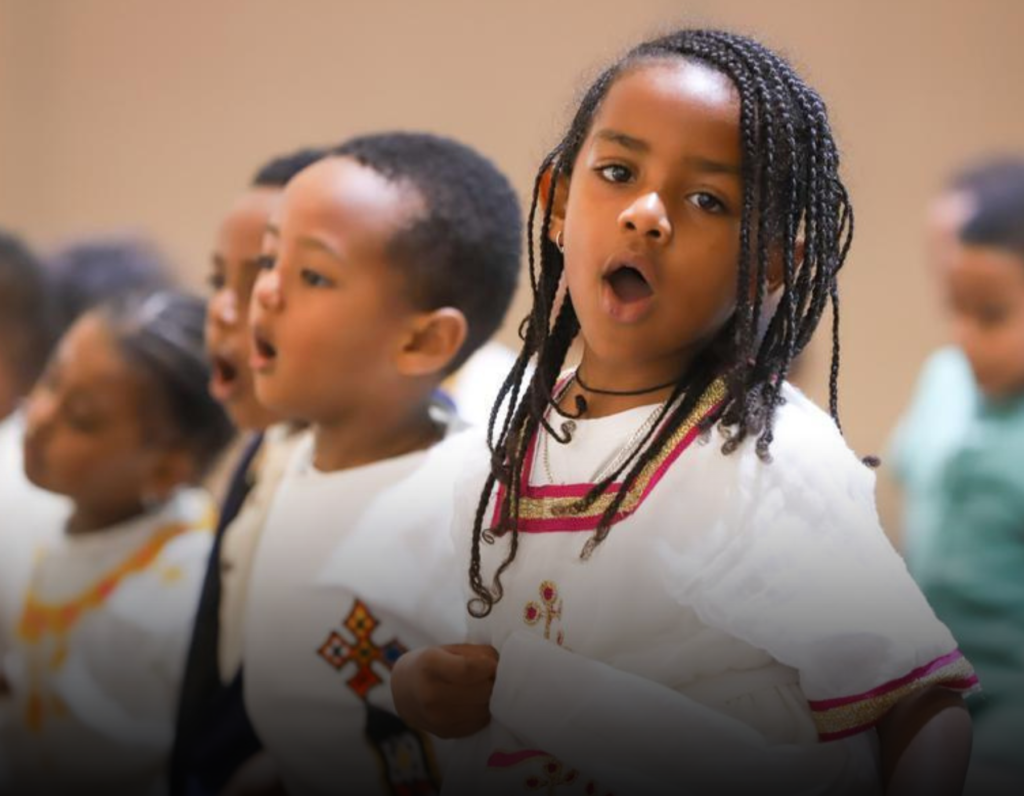
In Tanzania, language found its rhythm in music, turning celebration into connection and learning into performance.
Students across the country marked United Nations Chinese Language Day with a vibrant Chinese song competition, blending melody with meaning as they showcased their growing proficiency in the language.
Held in Dar es Salaam, the event brought together students from Confucius Institutes and local schools, offering a stage for young learners to demonstrate their Chinese language skills through song.
Participants performed a variety of Chinese musical pieces, reflecting both linguistic mastery and cultural appreciation. The competition, organisers noted, was designed not only to celebrate the language but to deepen understanding of Chinese culture through creative expression.
Events like this are part of a global celebration observed every April 20, recognising Chinese as one of the six official UN languages and promoting multilingualism worldwide.
The competition highlighted a broader trend – the rising popularity of Chinese language education in Tanzania.
Students say learning Chinese opens doors to academic and professional opportunities, particularly as economic ties between Tanzania and China continue to expand.
Across Africa, similar celebrations, from Zambia to Ethiopia, have seen students engage in singing, calligraphy, and cultural performances, reinforcing the role of language as a bridge to opportunity and global engagement.
Chinese Ambassador to Tanzania emphasised that language learning is central to strengthening people-to-people ties, describing such events as a “bridge of friendship” between nations.
Educators echoed this sentiment, noting that cultural activities like music competitions make language learning more engaging and accessible – especially for younger generations.
The celebration reflects deeper bilateral ties between China and Tanzania, spanning infrastructure, trade, education, and healthcare.
From the historic Tanzania–Zambia Railway to ongoing investments in ports and industrial projects, China has played a key role in Tanzania’s development journey. In parallel, educational exchanges – such as scholarships, training programs, and Confucius Institutes are shaping human capital.
Language, in this context, becomes more than a skill – it becomes a strategic asset. What unfolded on stage in Tanzania was more than a competition – it was a signal.