
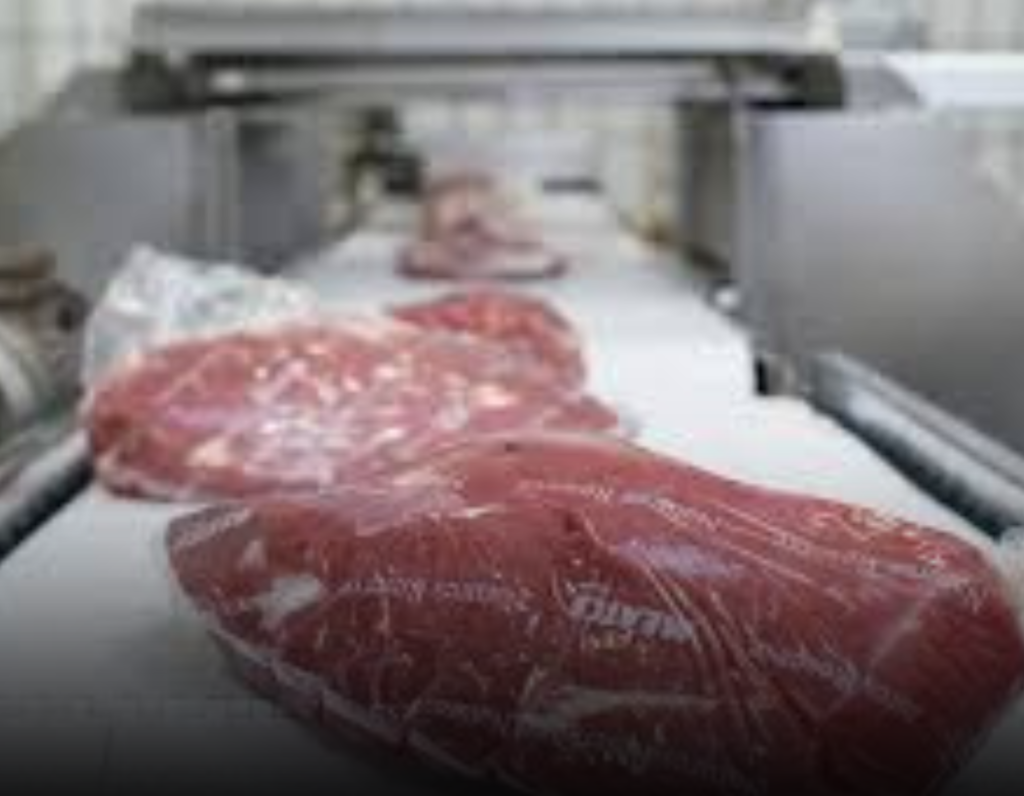
Namibia is positioning itself to capture a high-value share of China’s vast consumer market, leveraging Beijing’s new zero-tariff policy to elevate its beef exports into a premium category rather than competing on volume.
In a recent interview, Meat Corporation of Namibia (Meatco) interim CEO Albertus Aochamub described China’s decision to grant duty-free access to African exports as a “milestone” that could reshape trade flows and deepen bilateral economic ties.
“This is an opportunity that every sector… would want to take advantage of,” he said, pointing to the policy’s broad implications across African economies.
Namibia’s beef trade with China remains relatively small but strategically significant. The country made history in 2019 as the first African nation to export beef to China, with an initial 21-tonne shipment aimed at diversifying export markets.
Today, the focus is shifting. Rather than chasing large-scale exports, Namibia is deliberately targeting China’s premium meat segment – where quality, traceability, and branding command higher returns.
Aochamub emphasized that Namibia “will not compete… on volume” but instead prioritize niche, high-value products.
This strategy aligns with the country’s export profile. Meatco data shows that while overseas markets account for less than half of export volumes, they generate the overwhelming majority of revenue, evidence that value, not scale, drives profitability.
China’s zero-tariff policy – set to take effect May 1 – covers all 53 African countries with diplomatic ties to Beijing and is accompanied by measures such as expedited customs “green channels” for agricultural goods.
For Namibia, the shift means a “more relaxed… situation” in tariff terms, allowing exporters to focus on market positioning rather than cost barriers.
The policy is also expected to streamline logistics and improve competitiveness, particularly for time-sensitive goods like fresh and frozen beef.
Namibia enters this opportunity with a strong foundation. The country has already met China’s stringent sanitary and phytosanitary standards, a critical requirement for food exports.
Beyond compliance, the industry is investing in quality differentiation. Recent initiatives – including Wagyu cattle production and advanced grading systems – signal a deliberate pivot toward elite global markets.
“Value, not volume, defines success,” Aochamub noted in a separate industry update, reflecting a broader transformation within Namibia’s livestock sector.
The beef trade story sits within a wider and deepening China-Namibia relationship.
China is one of Namibia’s largest trading partners and a major source of foreign direct investment, with cooperation spanning infrastructure, mining, energy, and agriculture.
Recent high-level engagements – including a visit by Namibia’s international relations and trade minister to China – have reinforced commitments to expand cooperation in agriculture and industrial development.
Namibia is also seeking to move beyond raw exports by increasing local processing and value addition. As Minister Selma Ashipala-Musavyi put it: “We do not want to remain a source of raw materials… we want to add value.”
Despite the optimism, Namibia remains realistic. Its relatively small cattle population limits large-scale export expansion, making a selective growth strategy essential.
“We have to grow the China trade selectively,” Aochamub said, noting that targeting specific regions and consumer segments in China will be key to sustaining growth.
As global trade patterns shift, Namibia’s approach reflects a broader African strategy: leveraging access to China not just for volume, but for value creation and industrial advancement.
With zero tariffs removing long-standing barriers, the next phase of Sino-African trade may well be defined by specialization – where countries like Namibia carve out distinct identities in global supply chains.