

Deep beneath the rugged mountains of Lesotho, a new phase of one of Africa’s most ambitious infrastructure projects is taking shape – driven in part by advanced Chinese engineering and technology.
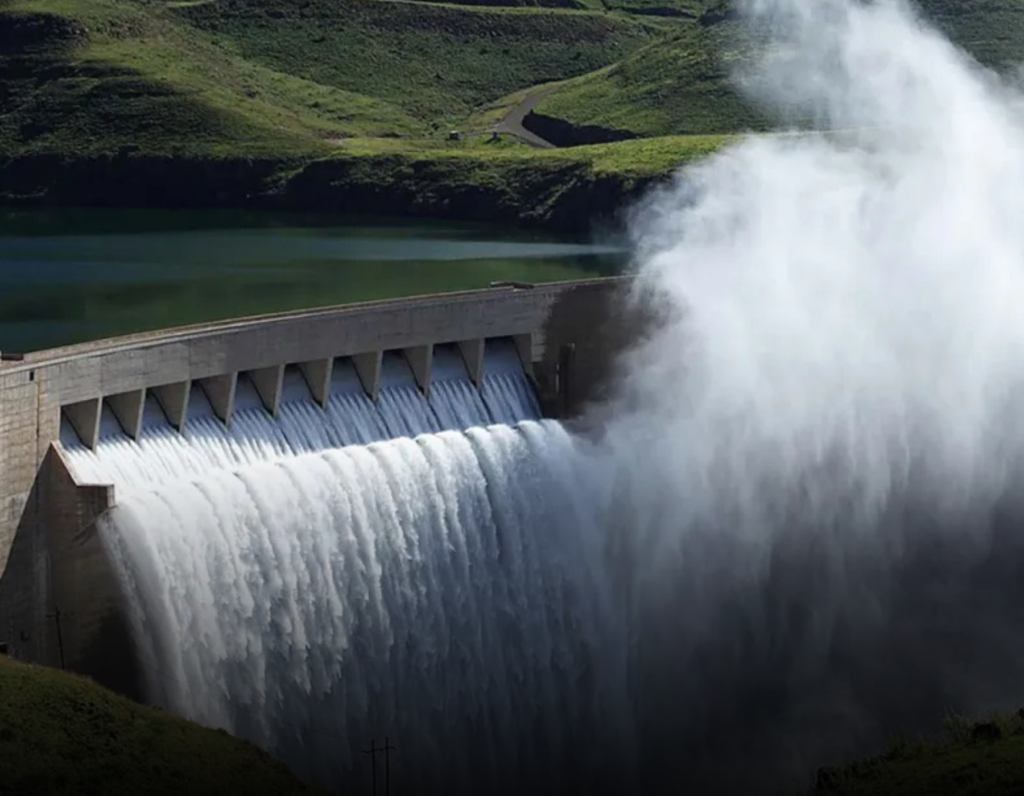
At the heart of this effort is the Lesotho Highlands Water Project (LHWP), a decade-long cross-border initiative designed to channel water from Lesotho’s highlands to water-scarce regions of South Africa. Widely regarded as Africa’s largest water transfer scheme, the project also generates hydropower and revenue for Lesotho.
The latest milestone centers on the construction of the Polihali Transfer Tunnel, a critical component of Phase II of the project. Chinese firms, including major engineering contractors, are playing a central role in tunneling operations using state-of-the-art tunnel boring machines (TBMs). These massive machines, each weighing around 1,500 tonnes, are carving through complex geological formations deep underground.
Nicknamed Dayu Xuedun and Dayu Changfeng, the twin TBMs represent the mechanical backbone of the project. Engineers face intense technical demands, including drilling through hard rock and ensuring the two machines meet precisely within the 34-kilometer tunnel. As one project engineer noted, even “the slightest deviation is unacceptable,” underscoring the precision required in such high-stakes construction.
The LHWP, first launched through a bilateral treaty in 1986, is designed not only to supply water to South Africa’s industrial heartland but also to generate electricity and income for Lesotho.
Once completed, the current phase is expected to significantly boost water transfer capacity while supporting Lesotho’s economic development through royalties and infrastructure improvements. The project has already contributed to road development, job creation, and increased energy security within the mountainous kingdom.
China’s involvement in the LHWP reflects a broader trend of deepening infrastructure cooperation across Africa. Through engineering expertise, financing partnerships, and advanced construction technologies, Chinese companies have become key players in delivering large-scale projects across the continent.
In Lesotho, this partnership extends beyond water infrastructure. China has supported projects in healthcare, education, and public facilities, alongside technical training programs that build local capacity. These efforts align with wider China–Africa cooperation frameworks such as the Forum on China–Africa Cooperation, which emphasises infrastructure development as a catalyst for economic growth.
While the LHWP is widely recognised as a transformative project, it has also sparked conversations around environmental sustainability and community impact. Reports from international observers highlight the importance of ensuring fair compensation, environmental protection, and inclusive development as construction progresses.
Still, for many stakeholders, the project remains a symbol of regional cooperation, turning Lesotho’s abundant water resources into a shared asset that supports both national development and cross-border integration.
As drilling continues beneath the highlands, the project stands as a testament to what modern engineering and international partnership can achieve.
For Lesotho, it is more than an infrastructure project. It is a pathway to economic resilience.
For China and Africa, it is another chapter in a partnership increasingly defined by technical collaboration, shared resources, and long-term development vision.