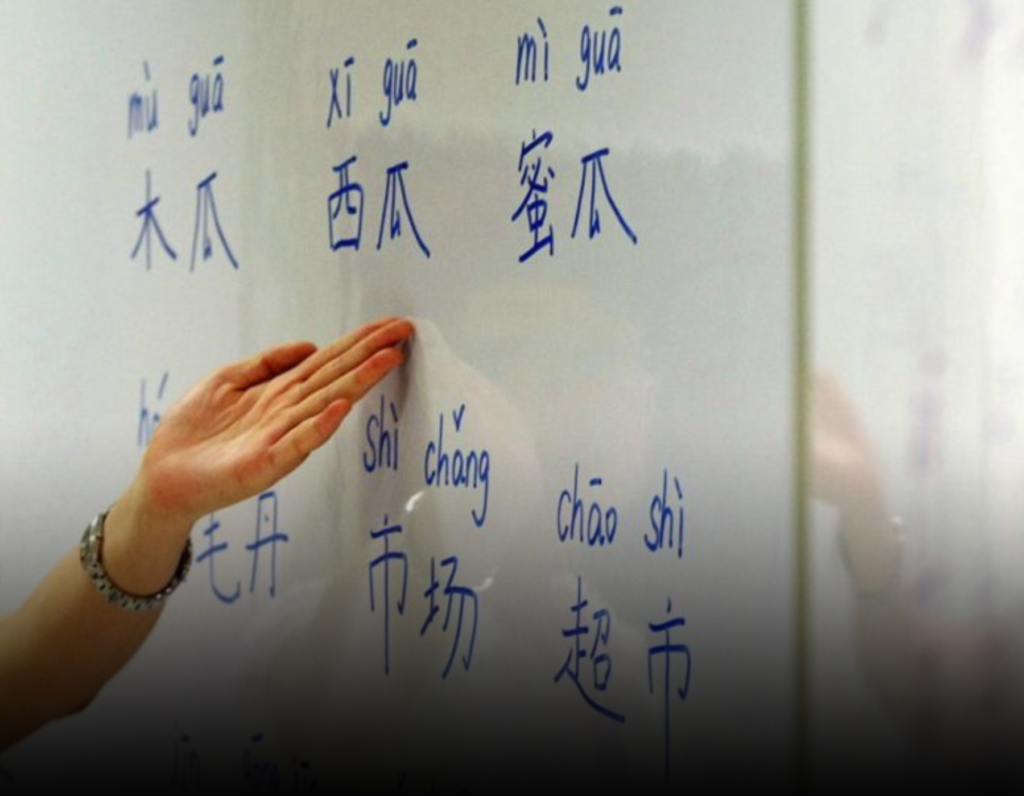
A growing number of healthcare workers in South Sudan are turning to language as a tool for better care, as a new Chinese language training program strengthens both professional capacity and bilateral cooperation with China.
The sixth Chinese language course for medical staff has officially commenced at Juba Teaching Hospital, attracting nearly 80 participants eager to improve communication and expand their opportunities within an evolving healthcare partnership.
For many participants, learning Mandarin is not just an academic exercise – it is a practical necessity. Chinese medical teams have played a consistent role in South Sudan’s health sector, and improved communication is seen as key to enhancing collaboration and patient outcomes.
Gift Gibson Natana, director general of Juba Teaching Hospital, underscored this connection, noting that Chinese medical teams have stood with South Sudan “in both difficult and good times.”
Over the years, these teams have provided clinical services, training, and outreach programs in underserved areas, making them a central pillar of the country’s healthcare delivery system.
Officials say the benefits of language learning extend far beyond hospital walls.
Huo Ying, deputy chief of mission at the Chinese Embassy in South Sudan, emphasised that Mandarin is increasingly becoming a global language of opportunity – one that connects people across borders and opens pathways to education, trade, and cultural exchange.
For healthcare workers, this means greater access to training programs in China, deeper understanding of Chinese medical practices, and stronger professional networks.
Poni Christine, a South Sudanese medical professional who previously studied in China, highlighted how learning the language and culture reshaped her approach to patient care. She noted that the experience broadened her perspective and improved her ability to serve diverse communities.
She also pointed to the potential of traditional Chinese medicine as a complementary approach within South Sudan’s healthcare system.
The language initiative builds on more than a decade of medical cooperation between the two countries. Since South Sudan’s independence in 2011, China has regularly dispatched medical teams, with the first arriving in 2012.
These teams have not only treated thousands of patients but also introduced new medical techniques, established specialised departments, and trained local professionals.
In parallel, China has supported infrastructure development at key institutions like Juba Teaching Hospital, including the provision of advanced diagnostic equipment such as CT scanners.
Healthcare remains a cornerstone of China-South Sudan relations, but the partnership is steadily expanding. Cooperation now spans education, agriculture, infrastructure, and cultural exchange, with initiatives ranging from scholarship programs to equipment donations and youth engagement projects.
The introduction of language training reflects a deeper phase of engagement – one that prioritises skills transfer, local capacity building, and people-to-people connection.
At its core, the Chinese language course represents a subtle but powerful shift in development cooperation. It moves beyond physical infrastructure and into the realm of human capital – equipping individuals with tools that enhance both professional effectiveness and cross-cultural understanding.
As South Sudan continues to rebuild and strengthen its institutions, such initiatives offer a reminder that sustainable development is not only built with equipment and investment, but also with knowledge, communication, and trust.
In Juba’s hospital corridors, that transformation is already underway – one word, one lesson, and one patient at a time.