

Russian authorities reported a major wave of Ukrainian drones directed towards Moscow, prompting temporary flight restrictions at several airports, while Ukraine said it struck a Russian military fuel depot and drone facilities. A separate incident was reported at an industrial site in Bashkortostan, highlighting the security pressures confronting Russia as it hosts African leaders.
Ukraine’s expanding drone campaign against targets inside Russia has put aviation, industrial and military logistics infrastructure under renewed pressure, with reported attacks and temporary airport restrictions coinciding with Moscow’s hosting of the third Russia–Africa Summit.
Russian authorities said air defences intercepted a large wave of Ukrainian drones heading towards Moscow overnight. Moscow Mayor Sergei Sobyanin reported that 613 drones had been directed towards the capital, although the figure and the full circumstances of the reported attack have not been independently verified.
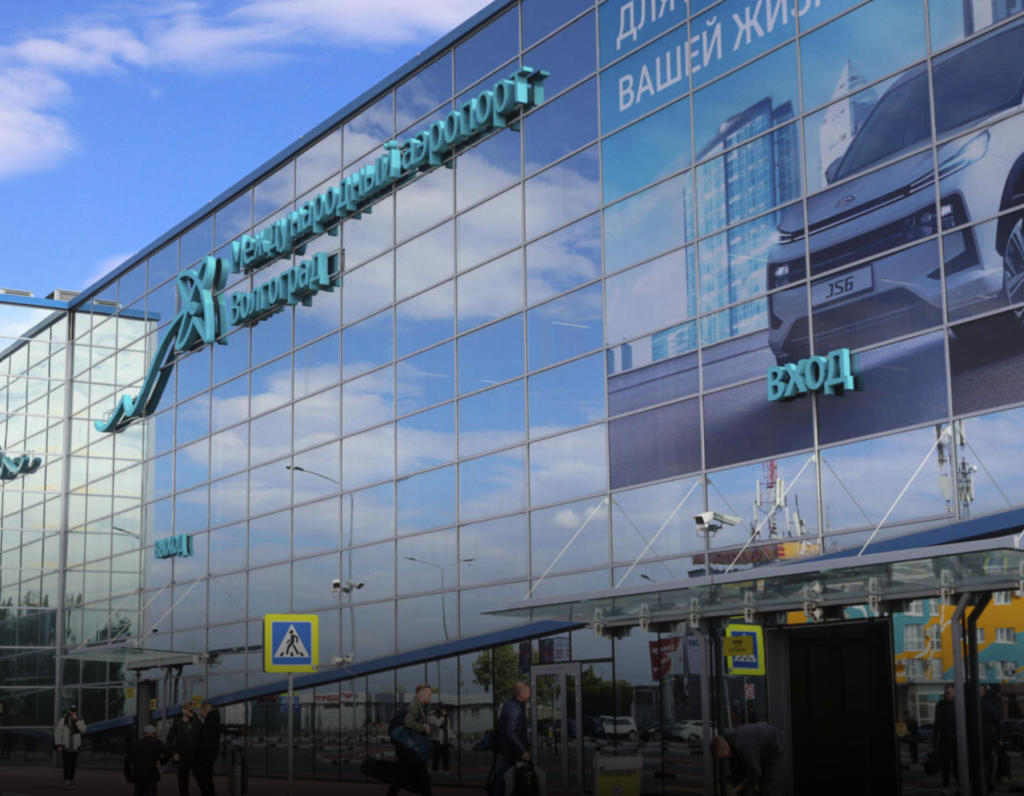
The incident prompted temporary flight restrictions at Domodedovo, Vnukovo and Zhukovsky airports. Reports indicated that some restrictions were subsequently lifted, while two aircraft travelling from Turkey to Moscow reportedly turned back because of restrictions at Vnukovo.
The disruptions illustrate how the war between Russia and Ukraine continues to affect civilian aviation and transport operations, even as Moscow welcomes African delegations for discussions on trade, investment, energy, security and political cooperation.
Fuel depot strike raises military logistics concerns
Separately, Ukraine’s General Staff said Ukrainian forces had struck a Russian military fuel-and-lubricants depot near Navlya in the Bryansk region, alongside facilities associated with storing and launching attack drones.
According to the Ukrainian military, the operation took place on October 28 and continued into October 29. The reported targets included a fuel depot supporting Russian military operations, a storage facility for Geran drones and a drone launch site.
Ukraine said the operation was intended to weaken Russia’s ability to sustain its military campaign. However, independent confirmation of the extent of the damage and the resulting disruption to Russian military logistics remained limited in the available reporting.
The reported fuel-depot strike is distinct from the drone activity around Moscow. It also concerns military supply infrastructure rather than a confirmed attack on a civilian fuel distribution network.
Fuel and lubricants are essential to military operations, supporting vehicles, aircraft and other equipment. Damage to storage facilities can complicate supply arrangements, but the operational consequences depend on the quantity of fuel lost, the depot’s role and the availability of alternative supply routes.
Ukraine has increasingly targeted Russian military infrastructure and energy-related facilities as part of its effort to impose costs on Moscow’s war effort. Russia, meanwhile, continues to attack Ukrainian territory and infrastructure.
Industrial incident reported in Bashkortostan
Another incident was reported in Sterlitamak, in Russia’s Bashkortostan region, where local authorities said air defences intercepted eight drones and debris fell on an industrial site, causing what they described as minor damage.
The head of the city administration said the affected plant continued operating normally. Independent Russian outlet Meduza reported that footage circulating online appeared to show smoke near the Bashkir Soda Company, although the precise extent of the damage remained unclear.
The available reporting does not establish that this facility was an energy installation or that its operations suffered a major interruption. The incident should therefore be distinguished from the reported strike on the military fuel depot in Bryansk.
Taken together, the reported incidents point to the range of infrastructure that Russia must defend against drone attacks, from major airports and industrial facilities to military supply installations.
A security backdrop to Russia’s engagement with Africa
The timing is notable because Moscow is hosting African leaders and delegations at the third Russia–Africa Summit, which is intended to deepen political and economic relationships between Russia and African countries.
President Vladimir Putin has used the gathering to promote cooperation in agriculture, fertilisers, energy, mining, manufacturing and logistics, while calling for a stronger African voice in international institutions.
The attacks do not, on the evidence currently available, indicate that African delegations or the summit itself were targeted. Their significance lies instead in the wider security environment surrounding the meeting and the challenges Russia faces in protecting transport and industrial infrastructure while continuing its war against Ukraine.
For African governments pursuing closer ties with Moscow, the incidents also underline the importance of assessing practical risks associated with travel, commercial operations and investment. Any direct consequences for African trade, energy supplies or investment would, however, need to be established rather than assumed.
What the incidents reveal—and what remains unclear
The reported events raise questions about Russia’s capacity to defend strategically important infrastructure against repeated drone attacks. Temporary aviation restrictions can disrupt passenger travel and international connections, while successful strikes on military fuel facilities could complicate logistics supporting operations in Ukraine.
But the scale of the impact remains uncertain. Russian authorities’ interception figures, Ukraine’s accounts of its strikes and reports of damage at individual sites require careful attribution. The number of drones involved alone does not establish how much damage was caused or whether Russia’s military operations or wider energy supplies were significantly affected.
As Moscow seeks to project diplomatic continuity and strengthen partnerships with African countries, the war continues to create security demands at home. Whether the latest incidents result in sustained disruption to aviation, industrial production or military supply chains will depend on verified damage assessments and subsequent operational developments.
For now, the clearest picture is of a conflict increasingly reaching beyond the front line, affecting infrastructure that supports both civilian life and military operations while Russia pursues its diplomatic agenda with Africa.
[/ihc-hide-content]