

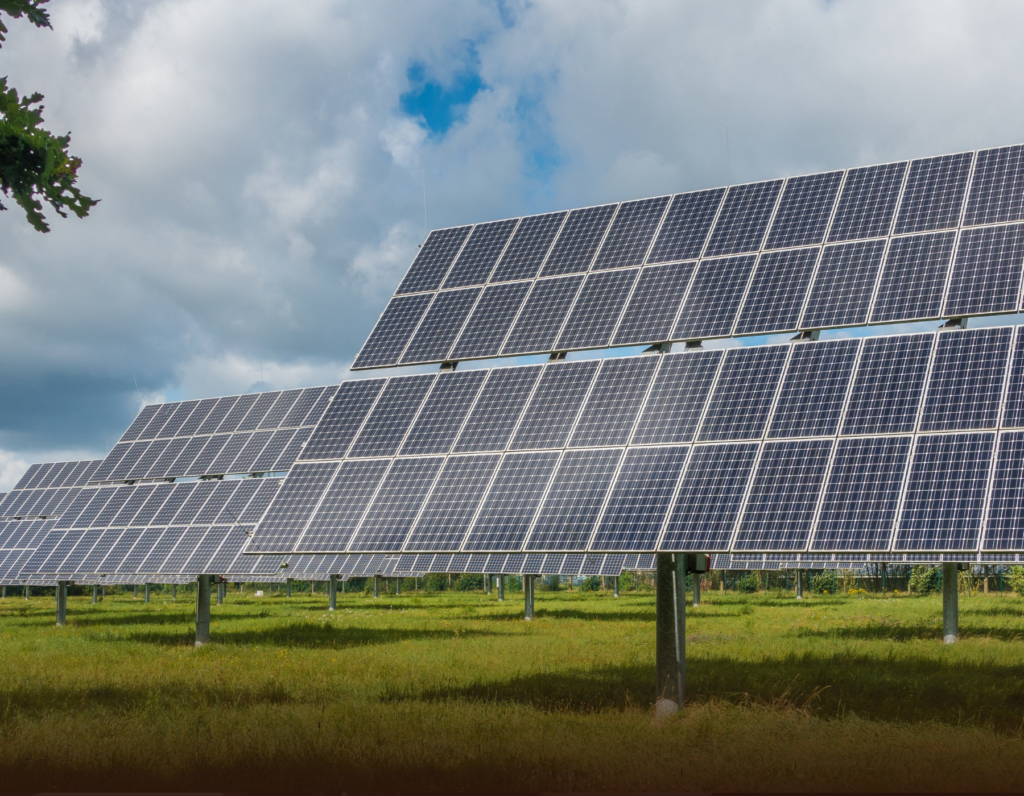
Morocco has emerged as Africa’s fourth-largest importer of solar panels from China, importing 915 megawatts (MW) in the 12 months leading up to June 2025. This places it behind South Africa (3,784 MW), Nigeria (1,721 MW), and Algeria (1,199 MW), yet marks a significant milestone in Morocco’s renewable energy trajectory.
This surge in solar imports aligns with a wider continental trend. Chinese solar panel imports to Africa surged 60 percent year-on-year, reaching a record-breaking 15,032 MW between July 2024 and June 2025. Twenty-five African countries imported at least 100 MW during this period, up from just 15 in the prior year, a clear sign that demand for Chinese solar is spreading across the continent.
Morocco’s solar capacity is part of a broader energy strategy to derive 52 percent of electricity from renewable sources by 2030, with solar power playing a pivotal role. The country has ramped up domestic manufacturing, now capable of delivering 1 GW of solar panels per year, a capacity recently doubled, matching that of South Africa.
Currently, renewable energy including solar, wind, and hydropower, accounts for over 45 percent of Morocco’s electricity, with solar installations like the Noor Ouarzazate complex underpinning this shift.
Morocco’s rising import figures and enhanced manufacturing capacity reinforce its strategic position as a renewable energy leader in North Africa. By importing Chinese solar panels while building domestic capabilities, Morocco balances immediate deployment needs with longer-term self-reliance goals.
For Africa as a whole, the Morocco case illustrates how Chinese solar exports are catalyzing regional clean-energy expansion. From industrial scale to wider market adoption and helping countries get closer to divesting from fossil-fuel dependency.