
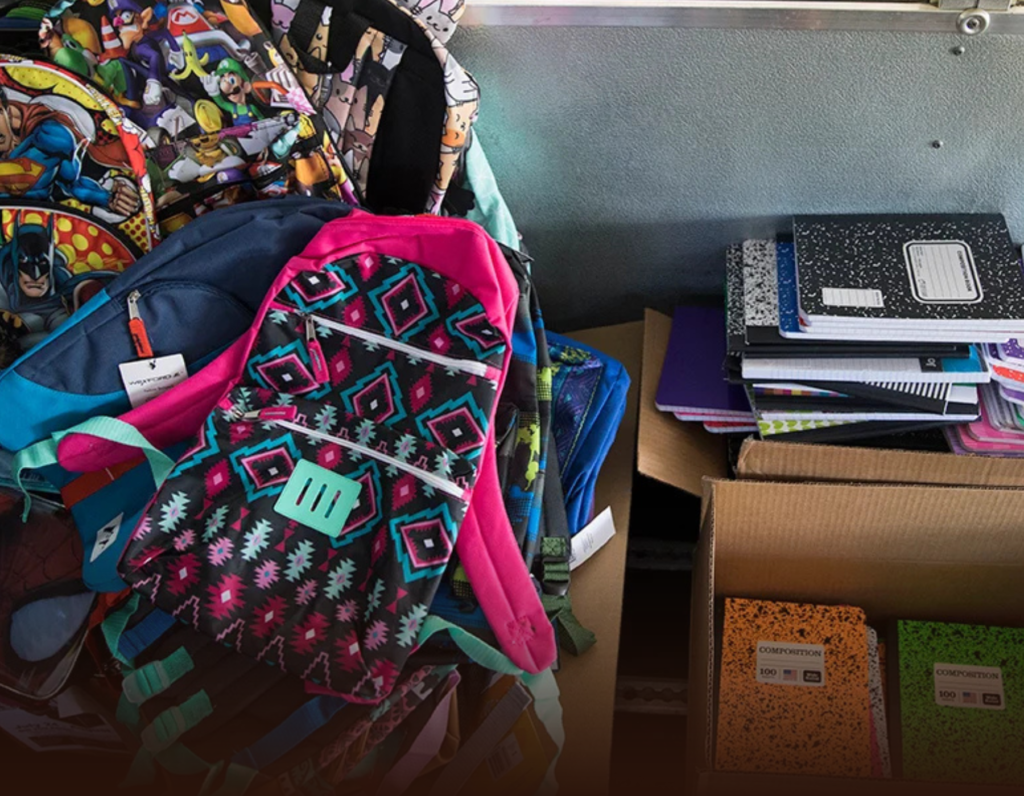
The Chinese Embassy in Guinea-Bissau made a generous donation of school supplies to the Kwame Nkrumah National High School in Bissau, reinforcing the deepening friendship and long-term cooperation between the two nations. The handover ceremony, held on November 5, saw Chinese Ambassador Yang Renhuo present three printers, two scanners, 100 backpacks, 900 notebooks, and 1,000 pens to the school.
Ambassador Yang described the donation as a symbol of “profound friendship” and reaffirmed China’s commitment to Guinea-Bissau’s education sector, noting that support also includes Chinese government scholarships for students.
Kwame Nkrumah High School’s principal, Jose Issa Balde, warmly thanked the embassy and encouraged students to make the most of these opportunities. He stressed that the materials and scholarships are more than gifts – they’re investments in both youth and bilateral ties.
China’s assistance in Guinea-Bissau extends beyond textbooks. In September 2025, the Chinese embassy awarded 50 students at Kwame N’Krumah High School with the “Ambassador Scholarship,” helping to cover their schooling costs.
These efforts reflect China’s broader “people-to-people” cooperation with Guinea-Bissau, an important partner in its engagement with Portuguese-speaking African countries (many of which are coordinated through Forum Macao).
Education is just one strand in a growing tapestry of China-Guinea-Bissau cooperation. In July 2024, Presidents Xi Jinping and Umaro Sissoco Embaló elevated bilateral relations to a strategic partnership, launching new projects in infrastructure, agriculture, and youth exchanges.
China’s contributions in Guinea-Bissau go well beyond books and scholarships. Under the Belt and Road Initiative, Chinese firms have supported the development of the country’s fisheries sector, notably building the Alto Bandim Fishing Port – which has modernized local fishing and boosted income for coastal communities.
In agriculture, China has shared rice-planting expertise and donated improved seed varieties, helping Guinea-Bissau expand rice yields and strengthen food security.
This donation is more than a diplomatic gesture: it’s a concrete step in China’s long-term strategy to nurture human capital in partner countries. By investing in education, China is helping cultivate the next generation of leaders, professionals, and innovators in Guinea-Bissau.
For Guinea-Bissau, these tools and scholarships deepen access to education, reduce barriers for students, and build stronger capacity for national development. And in a broader sense, such initiatives reflect a China-Africa partnership that values not just infrastructure, but people and shared futures.