

A shift in trade policy is quietly redrawing Africa’s economic horizon, opening doors not just for exports, but for industrial transformation.
China’s zero-tariff initiative, set to take effect on May 1, is expected to significantly boost African exports while laying the foundation for long-term industrial growth, according to South African researcher Nkanyiso Ngqulunga.
The policy grants duty-free access to products from 53 African countries with diplomatic ties to China – effectively lowering one of the biggest barriers to entry into the world’s largest consumer market.
Ngqulunga described the move as a catalyst for trade expansion, noting that “the removal of tariffs is expected to unlock growth across key sectors such as agriculture and manufacturing.”
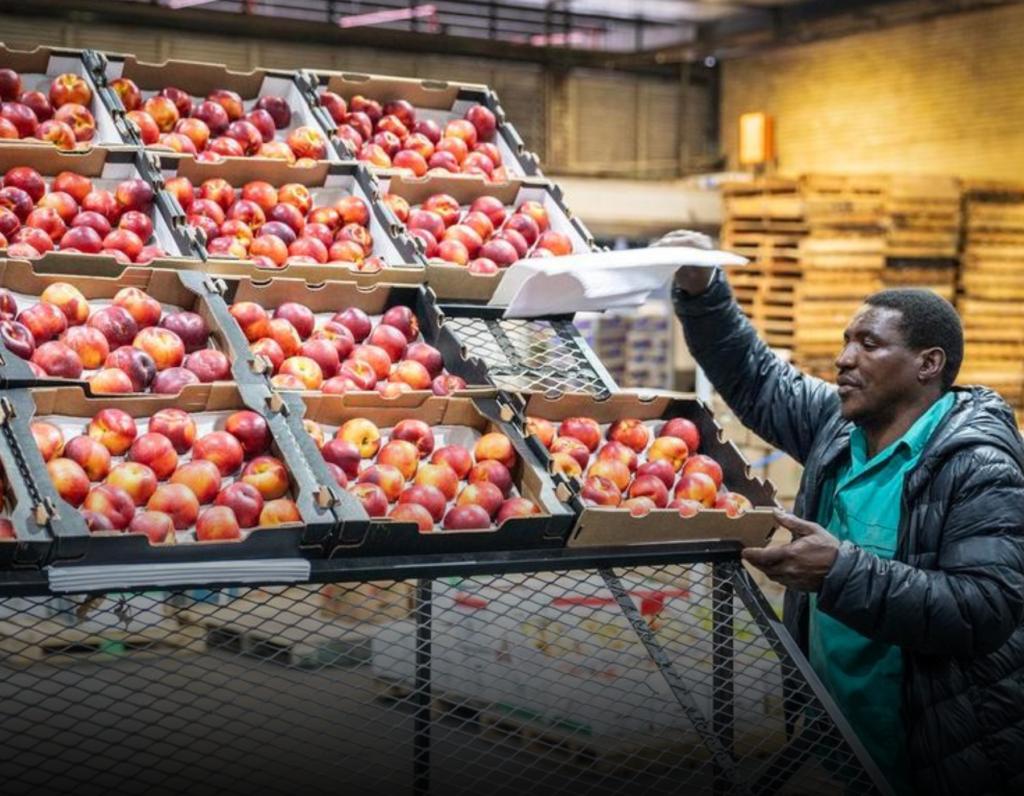
For African exporters, this translates into immediate gains in competitiveness. Products such as citrus fruits, rooibos tea, and table grapes – already gaining popularity among Chinese consumers, are expected to benefit first.
According to Ngqulunga, the zero-tariff framework could support Africa’s push toward industrialisation by encouraging growth in advanced manufacturing and value-added production.
“The arrangement could serve as a catalyst for technological advancement and industrialisation,” he noted, pointing to the opportunity for African economies to move beyond raw material exports.
This aligns with broader continental ambitions – particularly in countries like South Africa, where policymakers are actively seeking to diversify export portfolios and strengthen participation in global value chains.
As global trade patterns shift and traditional markets become less predictable, African countries are increasingly looking to diversify partnerships. China’s move offers a stable and scalable alternative – one anchored in South-South cooperation.
Analysts note that the initiative is part of a wider strategy to deepen economic ties, expand two-way investment, and enhance trade resilience across Africa.
The zero-tariff policy builds on an already robust relationship. China remains Africa’s largest trading partner, with cooperation spanning infrastructure, manufacturing, agriculture, and technology. Platforms such as the Forum on China–Africa Cooperation continue to drive policy alignment and economic collaboration.
For South Africa in particular, the policy complements ongoing efforts to secure duty-free access through bilateral agreements, while attracting Chinese investment into sectors like steel, energy, and industrial production.
To fully benefit, African countries must scale production, meet quality standards, and invest in logistics and industrial capacity. Without these, the potential of zero tariffs could remain underutilized.
Ngqulunga emphasised that stronger integration into global supply chains will be key, enabling African economies to not only export more, but export smarter.
This is more than a trade policy – it is a signal. A signal that Africa’s role in the global economy is evolving and partnerships are shifting toward mutual growth.