

- By Isatou Keita, The Gambia
The debate started long before the judges announced the winner.
In one corner stood Nigerians, fiercely defending what they insist is the region’s finest jollof rice. Across from them were Ghanaians, equally convinced the crown belonged to them. Then there were the Gambians, smiling, confident and perhaps just a little amused by the commotion.
By the end of the week, the argument had only become louder.
Because once again, The Gambia had won.
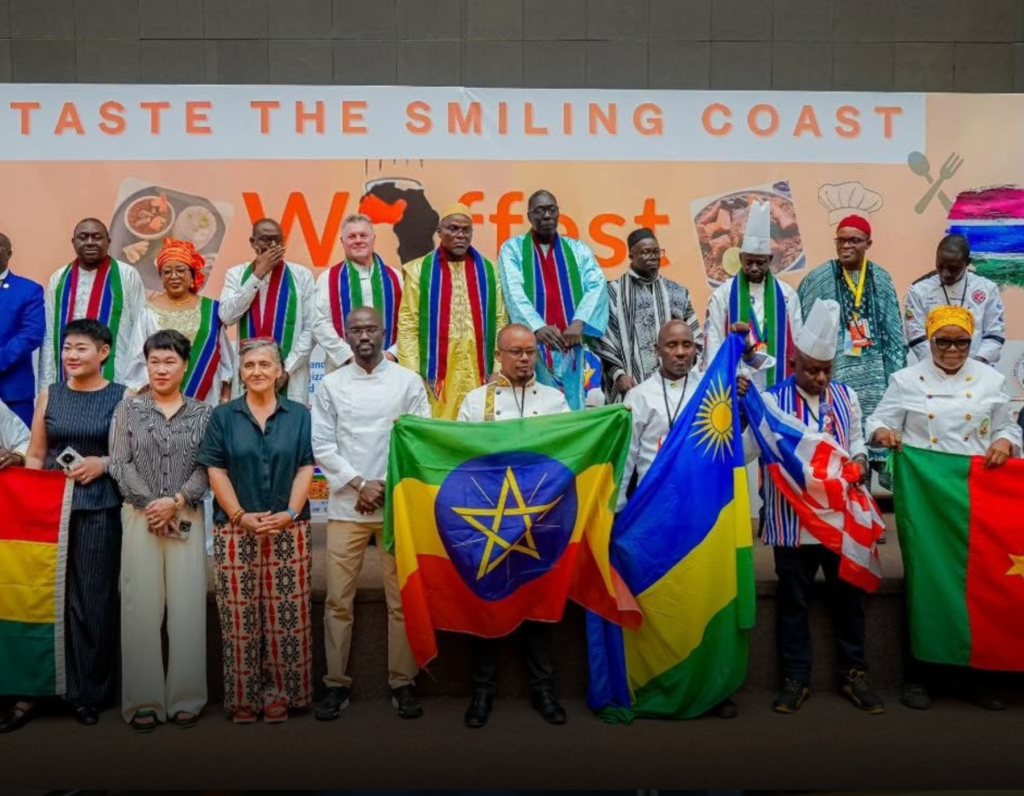
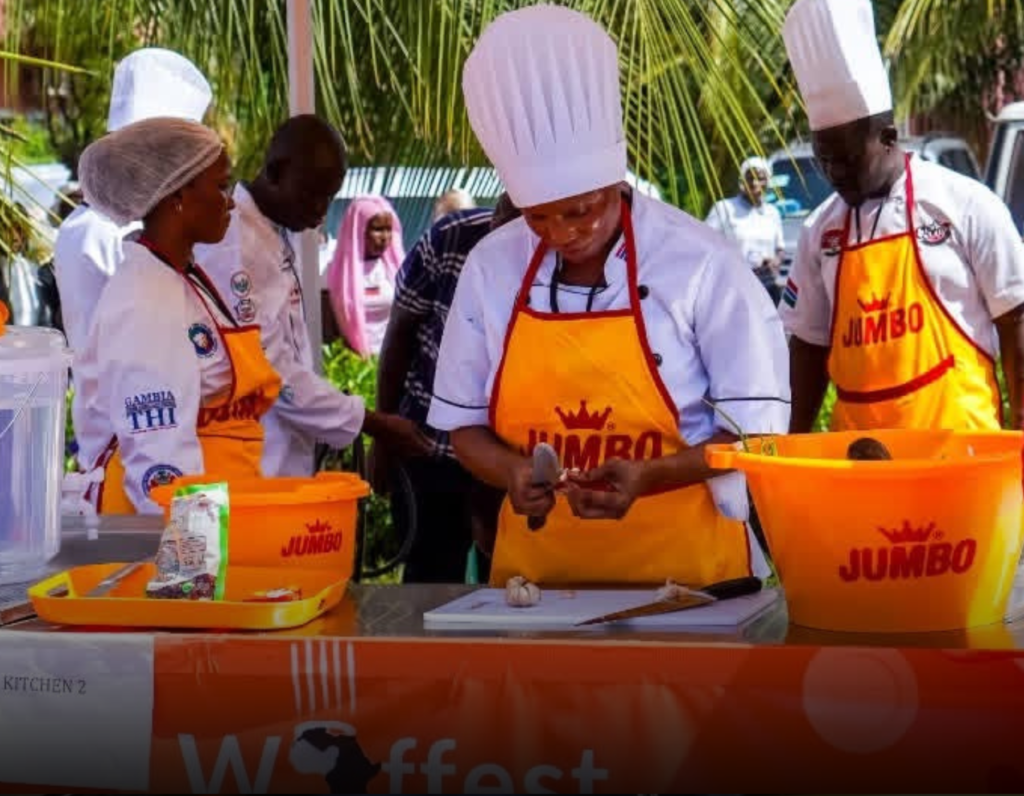
For the second consecutive year, Team Gambia emerged victorious in the jollof competition at WAFFEST 2026, successfully defending the title it won in Ghana the previous year. The victory came as The Gambia hosted the region’s biggest culinary festival, bringing together hundreds of delegates, chefs and food enthusiasts from across Africa and beyond.
But away from the celebration, the dancing and the endless social media banter about jollof, another story was unfolding.
It was a story about how food, culture and ordinary people are helping redefine what The Gambia and Africa have to offer the world.
For years, The Gambia has marketed itself as the Smiling Coast of Africa.
The country’s beaches remain its most recognisable tourism product. Yet for many Gambians, WAFFEST represented something bigger: an opportunity to show the world what lies beyond the shoreline.
Standing beside a display of traditional dishes at the festival, one local chef described the event as a chance to challenge perceptions.
“Many visitors know our beaches, but they don’t know our food, our history or our culture. When people taste Gambian food, they learn something about who we are.”
That sentiment could be felt throughout the festival.
From steaming bowls of domoda to plates of benachin and freshly grilled fish from the Atlantic coast, visitors were not just sampling meals. They were experiencing stories passed down through generations.In many ways, WAFFEST turned food into a form of cultural storytelling.
For small businesses, the festival was less about culinary competition and more about economic opportunity.
That is precisely the kind of growth envisioned under the African Union Agenda 2063, which highlights tourism, culture and the creative economy as important drivers of inclusive development across the continent.
Too often, discussions about Africa focus solely on infrastructure, politics or natural resources.
WAFFEST offered a different perspective. It showed how culture itself can create jobs, generate income and strengthen regional connections.
Of course, no story about WAFFEST would be complete without discussing the competition that captured most of the public attention.
Jollof rice.
Arguably no dish inspires more debate across West Africa. Every nation claim superiority. Every nation believes the judges got it wrong when they lose. And every nation celebrates wildly when they win.This year was no different.
Following The Gambia’s victory, social media platforms were flooded with familiar reactions. Nigerians questioned the outcome. Ghanaians demanded another chance. Gambians proudly reminded everyone that this was not a fluke but a successful title defence.
Yet beneath the jokes lies something meaningful.
The jollof rivalry has become one of West Africa’s most unique forms of cultural diplomacy.It is competition without conflict.An argument that somehow manages to unite the very people it divides.
Perhaps the most important lesson from WAFFEST is that food can do something politics often struggles to achieve.
It can bring people together.
During the week-long festival, delegates from Anglophone, Francophone and Lusophone countries shared kitchens, exchanged recipes and celebrated traditions that transcend colonial borders and languages. Participants came from more than 30 countries, reflecting the growing importance of cultural exchange in promoting regional integration.
In an era when Africa is increasingly seeking to tell its own story, events like WAFFEST matter. They provide an opportunity to showcase innovation rather than crisis.
And for The Gambia, this year’s festival offered a powerful reminder that the country’s greatest asset may not simply be its beaches or its sunshine.
Long after the trophies have been packed away and the jollof debate continues online, those may be the stories that endure.
Because WAFFEST was never really about food alone.
It was about a country opening its doors, a region celebrating its identity, and an Africa increasingly confident enough to tell its own story, one plate at a time.