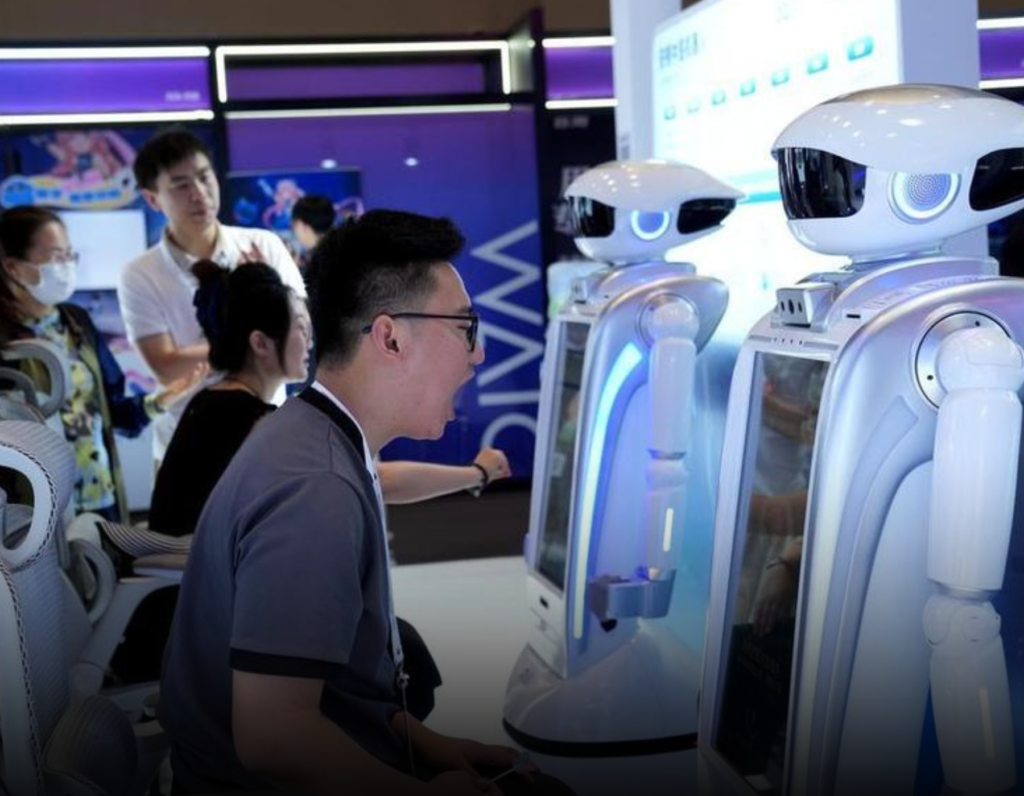
A new China-backed multilateral platform is reshaping the global conversation on artificial intelligence (AI), with developing countries at its core. The World Artificial Intelligence Cooperation Organization (WAICO), unveiled during the 2026 World Artificial Intelligence Conference (WAIC) in Shanghai, is being positioned as a framework to amplify the voice of the Global South in AI governance and bridge widening technological divides.
Chinese President Xi Jinping, addressing global delegates at the high-level forum, framed the initiative as a response to growing inequalities in access to advanced technologies. He stressed that AI must remain “under human control” while being developed in a way that is inclusive, safe, and beneficial for all nations.
WAICO brings together nearly 30 countries and is widely seen as a counterweight to Western-led AI alliances. Its core mandate focuses on fostering international cooperation, promoting fair access to AI technologies and ensuring that governance frameworks reflect the development priorities of emerging economies.
The launch signals a broader shift in global AI governance, from a system largely shaped by advanced economies to one increasingly influenced by developing nations. Analysts note that WAICO’s structure is deliberately inclusive, allowing participation without strict ideological alignment while prioritizing development and capacity-building.
At the Shanghai forum, China pledged concrete support measures, including 5,000 AI training opportunities for developing countries over the next five years and expanded access to AI-powered tools such as meteorological forecasting systems. These initiatives are intended to help countries in Africa, Asia, and Latin America build domestic AI capabilities and reduce reliance on external technologies.
Xi also warned against what he described as “new historical injustices” arising from unequal access to AI, emphasizing that technological monopolies could deepen global inequalities if left unchecked.
For African countries, WAICO presents both an opportunity and a strategic choice. Many nations on the continent are still in early stages of AI development. Limited infrastructure and regulatory capacity. The promise of technology transfer, skills training and open-source collaboration under WAICO aligns with Africa’s broader digital transformation agenda.
China has already established a strong technological footprint across Africa through initiatives such as the Belt and Road Initiative (BRI) and expanding digital cooperation under the Digital Silk Road. The new AI cooperation framework builds on these ties, potentially accelerating partnerships in areas such as smart cities, agriculture, health systems and climate resilience.
In recent years, China-Africa collaboration has extended to telecommunications infrastructure, satellite technology and e-commerce ecosystems. The groundwork for deeper engagement in AI and data-driven innovation. WAICO is expected to integrate these efforts into a more coordinated governance and development model.
WAICO’s emergence highlights growing geopolitical competition over who sets the rules for AI. While the United States and its allies emphasize security, ethics and supply chain control. China’s approach prioritizes accessibility, affordability and development-led governance.
Experts say this divergence reflects a broader contest over the future of global digital order. “Who sets the rules for artificial intelligence… has become a defining question of global governance,” one analysis notes. WAICO represents a new institutional pillar in that debate.
For many Global South countries, the appeal lies less in geopolitics and more in practical benefits. China’s willingness to share technology and invest in capacity-building, often with fewer restrictions, has made it an attractive partner.
As WAICO begins operations, its long-term impact will depend on how effectively it translates ambition into tangible outcomes. Key questions remain around funding, governance mechanisms and how it will coordinate with existing international bodies, including the United Nations.
Still, its launch marks a significant moment: a move toward a more multipolar AI governance landscape where developing nations are no longer passive rule-takers but active participants.
For Africa and the broader Global South, WAICO could represent not just a new institution, but a chance to shape the rules of the digital future.