China and Morocco are entering what many analysts describe as a defining phase in their economic relationship, as China’s expanded zero-tariff policy for African countries creates new opportunities for trade, industrial cooperation, and long-term investment.
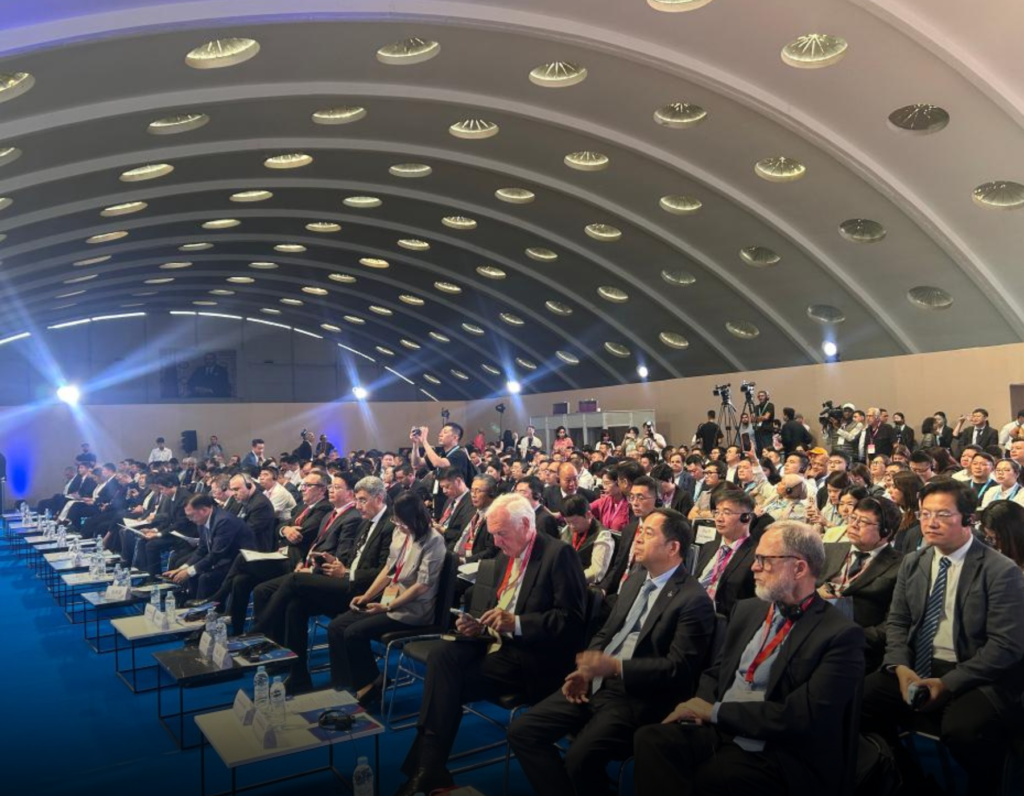
The momentum was evident during the Morocco session of the China–Africa Economic and Trade Expo (CAETE), held in Casablanca and jointly organized with Morocco’s Ministry of Industry and Trade. The event marked one of the first major China–Africa trade engagements following China’s full implementation of zero-tariff treatment for 53 African countries with diplomatic relations.
Business leaders and policymakers see the policy as more than a market-access measure. Instead, they view it as a platform to accelerate industrial transformation and deepen supply-chain integration between China and Morocco.
According to available trade figures, bilateral trade reached US$10.96 billion in 2025, rising from US$9.04 billion in 2024, reinforcing China’s position as Morocco’s largest trading partner in Asia and one of its most important global economic partners. Morocco’s exports to China remain comparatively smaller, but the new tariff arrangement is expected to improve competitiveness and create stronger export pathways for Moroccan producers.
Speaking during discussions around the expo, Moroccan stakeholders highlighted the potential for premium Moroccan products – including agricultural goods, processed foods, cosmetics, and specialty products – to gain greater visibility and access in China’s expanding consumer market. At the same time, Chinese enterprises are expected to strengthen manufacturing and investment activity across North Africa.
One of the strongest symbols of this evolving relationship is the Mohammed VI Tangier Tech City, which has emerged as a flagship industrial cooperation zone. As of early 2026, agreements had reportedly been signed with dozens of companies – including a large number of Chinese enterprises – with planned investments estimated at approximately US$3.5 billion.
Morocco’s ambition to become a regional industrial and green manufacturing hub aligns with China’s capabilities in advanced production and technology. Chinese investment has expanded into sectors including electric mobility, battery production, infrastructure equipment, and renewable energy.
Recent projects illustrate this transition. Joint initiatives include battery-grade cobalt processing facilities and sustainable infrastructure developments designed to support both industrial growth and environmental objectives. Moroccan business leaders have described these projects as examples of economic expansion that can coexist with sustainability goals.
Infrastructure cooperation has also become a visible feature of bilateral engagement. Chinese equipment manufacturers have contributed to major construction works across Morocco, including projects linked to preparations for the 2030 FIFA World Cup.
Beyond economics, China and Morocco continue to strengthen ties through education, cultural exchange, tourism promotion, and academic collaboration. Universities, business institutions, and policy platforms in both countries have increased engagement to support knowledge exchange and workforce development.
This year also carries symbolic significance, marking the 10th anniversary of the China-Morocco Strategic Partnership. Over the past decade, the relationship has evolved from traditional trade into a broader model of cooperation centered on industrial upgrading, innovation, and sustainable growth.
For Morocco, zero tariffs represent an opportunity to move further up global value chains. For China, they reinforce a broader commitment to expanding market openness and supporting economic partnerships across Africa.
As trade barriers decline and investment channels deepen, China–Morocco relations appear poised to enter a new era – one defined not simply by exchange, but by co-development and shared economic ambition.