

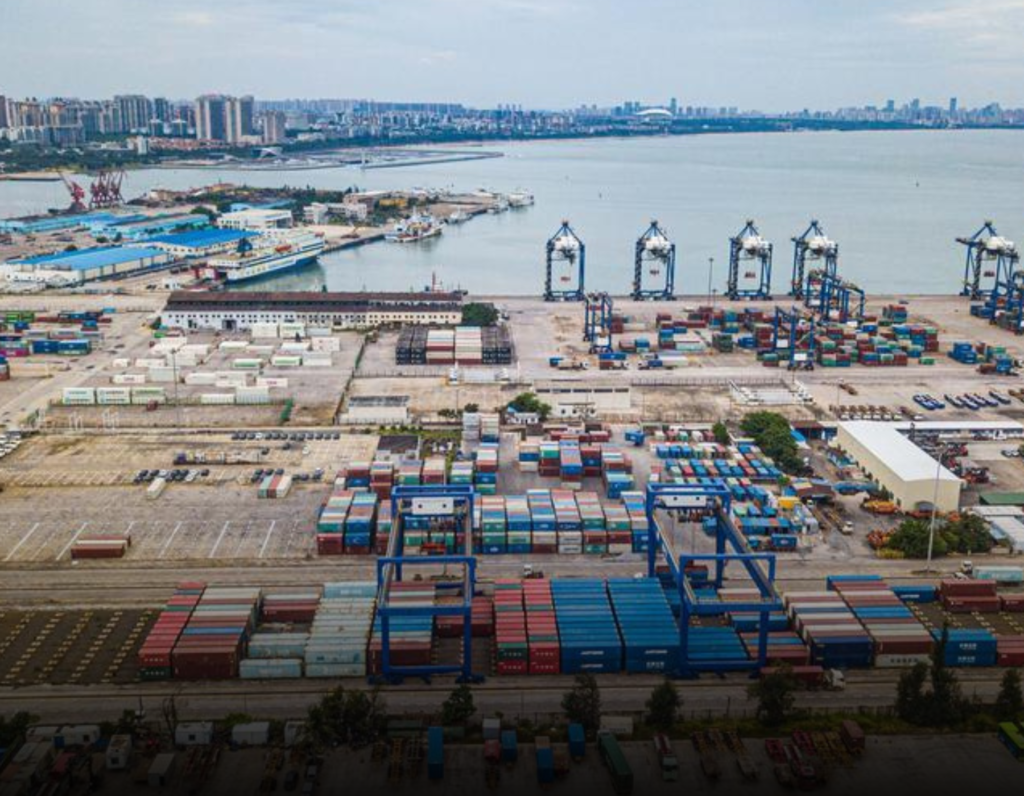
China has announced an expanded zero-tariff policy covering 63 countries, a move aimed at boosting trade flows, supporting least-developed economies and reinforcing its economic partnerships across Africa and the wider Global South.
The policy, unveiled by Chinese authorities as part of broader trade facilitation measures. Eliminates tariffs on 100 percent of taxable product categories for eligible countries, many of which are in Africa. Officials say the initiative is designed to “create new opportunities for shared development” while helping partner nations better integrate into global value chains.
For African economies, the policy signals a significant opening. Countries that qualify under the scheme will now enjoy duty-free access to the Chinese market across a wide range of exports, from agricultural goods and textiles to minerals and manufactured products.
Trade experts note that this could help African producers become more competitive in one of the world’s largest consumer markets. It also aligns with long-standing commitments made under the Forum on China-Africa Cooperation (FOCAC), where China pledged to expand market access for African goods and reduce structural trade imbalances.
Chinese officials emphasized that the zero-tariff treatment is particularly targeted at least-developed countries (LDCs), many of which face persistent barriers in accessing global markets. By removing tariffs entirely, Beijing hopes to stimulate export growth, industrialization and job creation in partner countries.
The initiative underscores China’s broader strategy of deepening South-South cooperation at a time of global economic uncertainty. Analysts say the policy reflects a shift toward more inclusive globalization, where developing economies play a larger role in trade and production networks.
In recent years, China has consistently been Africa’s largest trading partner, with bilateral trade reaching record highs. Key African exports to China including; cocoa, coffee, cashew nuts, crude oil and critical minerals, are expected to benefit from the expanded tariff exemptions.
Beyond trade, China has also increased investment across the continent in infrastructure, manufacturing and digital technology through frameworks such as the Belt and Road Initiative (BRI). These investments have helped improve logistics and production capacity. Enabling African countries to better take advantage of trade opportunities like the new zero-tariff policy.
The zero-tariff expansion comes at a time when African nations are advancing regional integration through the African Continental Free Trade Area (AfCFTA). By combining improved intra-African trade with enhanced access to China’s market, policymakers see potential for a stronger and more diversified export base.
Observers say the policy could also encourage African countries to move up the value chain, exporting more processed and higher-value goods rather than raw materials. However, they caution that supply-side constraints such as infrastructure gaps, standards compliance and production capacity will need to be addressed to fully maximize the benefits.
China’s move is also being interpreted as a strategic signal in the evolving global trade landscape. As protectionist tendencies rise in some parts of the world. Beijing is positioning itself as a champion of open markets and multilateral trade.
Officials reiterated that the initiative is part of China’s commitment to building “an open world economy” and fostering mutually beneficial partnerships. They added that further measures including; trade facilitation, customs cooperation and capacity-building programs will accompany the tariff exemptions to ensure tangible outcomes.
While the immediate impact will vary by country, the long-term implications could be significant. For African exporters, the removal of tariffs provides a clearer pathway into the Chinese market. For China, it strengthens economic ties with emerging markets and reinforces its role as a key partner in global development.
As implementation begins, attention will turn to how effectively countries can leverage the opportunity. If matched with domestic reforms and strategic investments, the zero-tariff policy could mark a new chapter in China-Africa trade. One defined by deeper integration, expanded opportunity and shared growth.